 Please wait


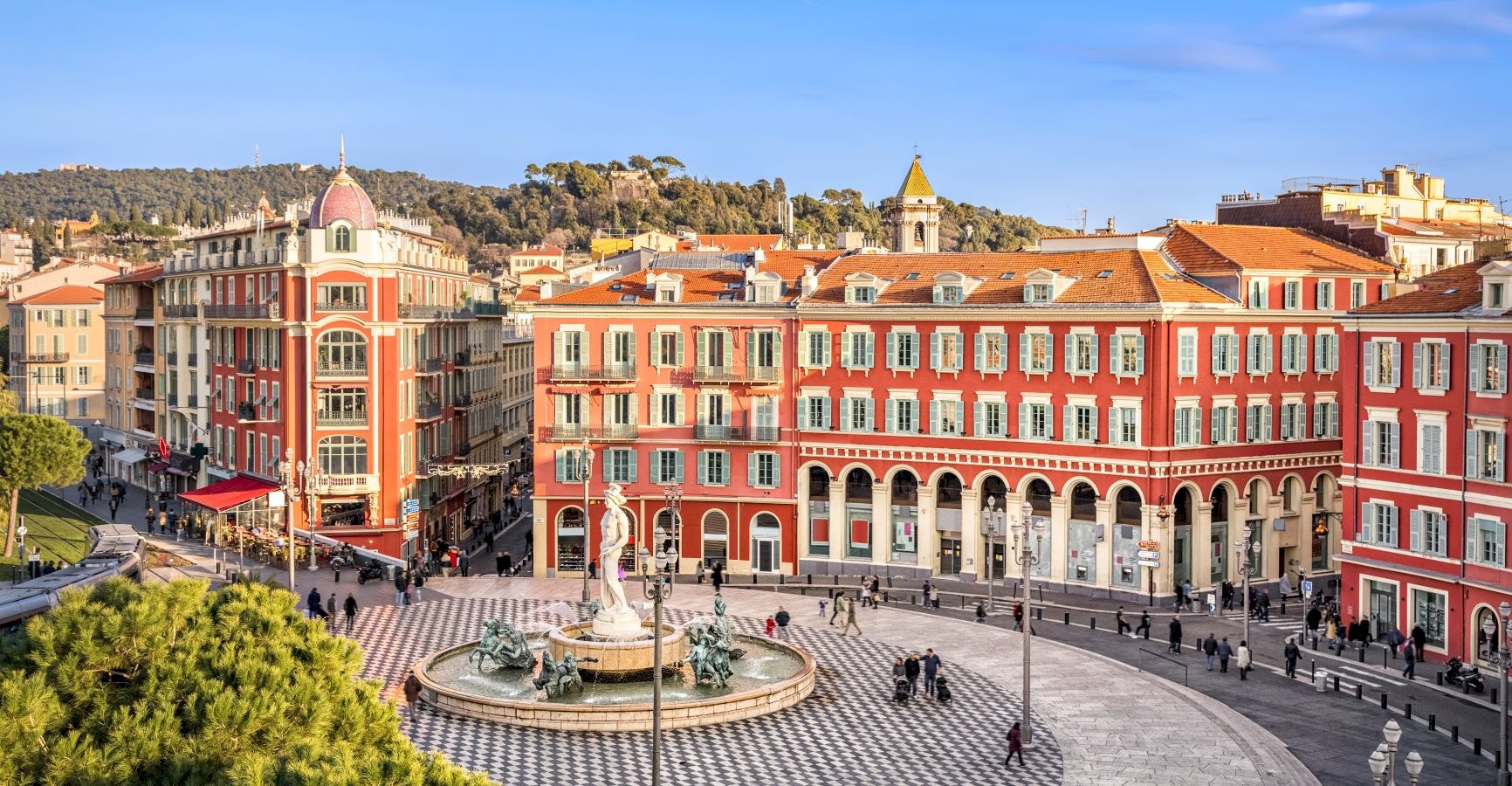
Tours is the gateway to the Loire Valley's most magnificent châteaux, yet most visitors overlook this charming medieval city itself. Whether you're a castle enthusiast, wine lover, or history buff, this insider's guide reveals everything you need to know to make the most of your first visit to this Renaissance gem.
If you are just starting to sketch your plans, our Loire Valley travel guide explains where to base yourself, how many days to allow and which areas to combine.
Getting There & Getting Around: Transportation Basics

Tours sits at the crossroads of major French travel routes, making it incredibly accessible. The main train station (Gare de Tours) connects directly to Paris (1 hour), Bordeaux (2.5 hours), and other major cities via TGV high-speed rail.
If you're driving, the city is easily accessible via the A10 motorway from Paris or the A85 from Bordeaux. Once in Tours, forget about renting a car for the city itself—the medieval center is entirely walkable and compact.
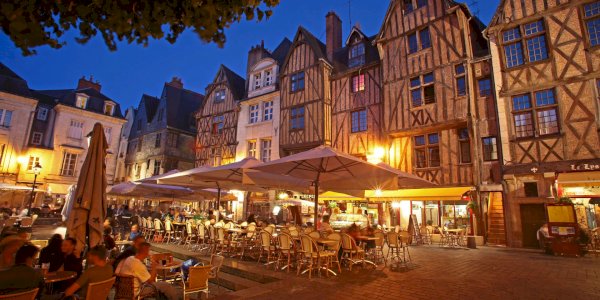
The local tram system is cheap and efficient (€1.60 per journey) for reaching outlying areas like the university district or modern shopping zones. Most visitors base themselves near Place Plumereau in the Vieux Tours (Old Town), where narrow timber-framed buildings create an authentically medieval atmosphere.
Pro tip: Download the BoatBike app for real-time transit info. The city is genuinely bike-friendly, with extensive cycling paths connecting to châteaux in the surrounding region. A basic commuter bike rental costs €8-12 per day from local shops.
Exploring the Loire Valley's Greatest Châteaux from Tours

Tours is positioned perfectly to visit the Loire Valley's most iconic castles without staying multiple nights elsewhere.
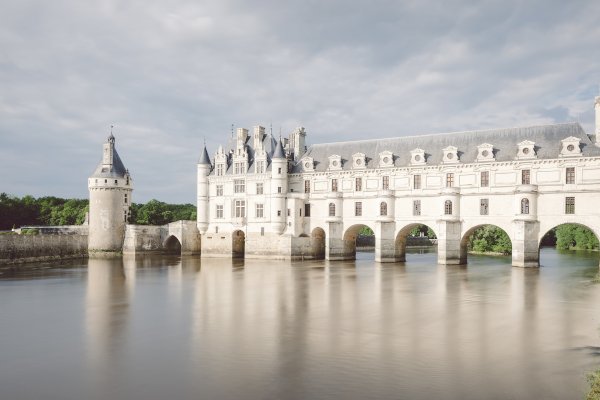
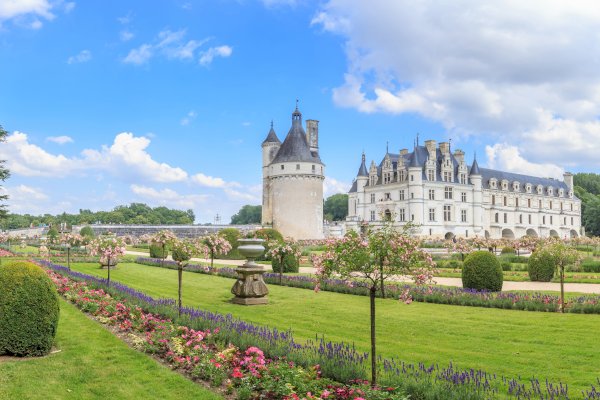
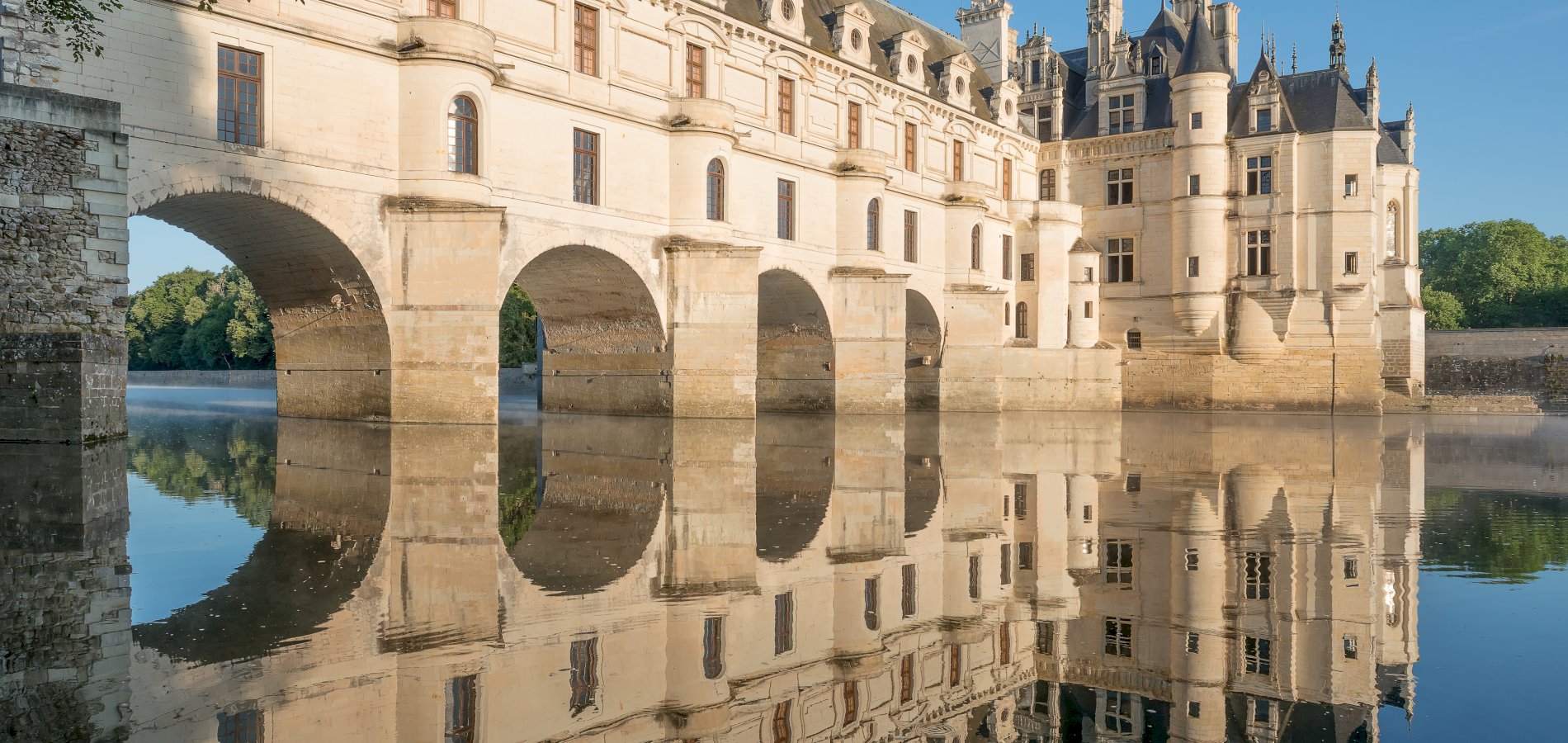
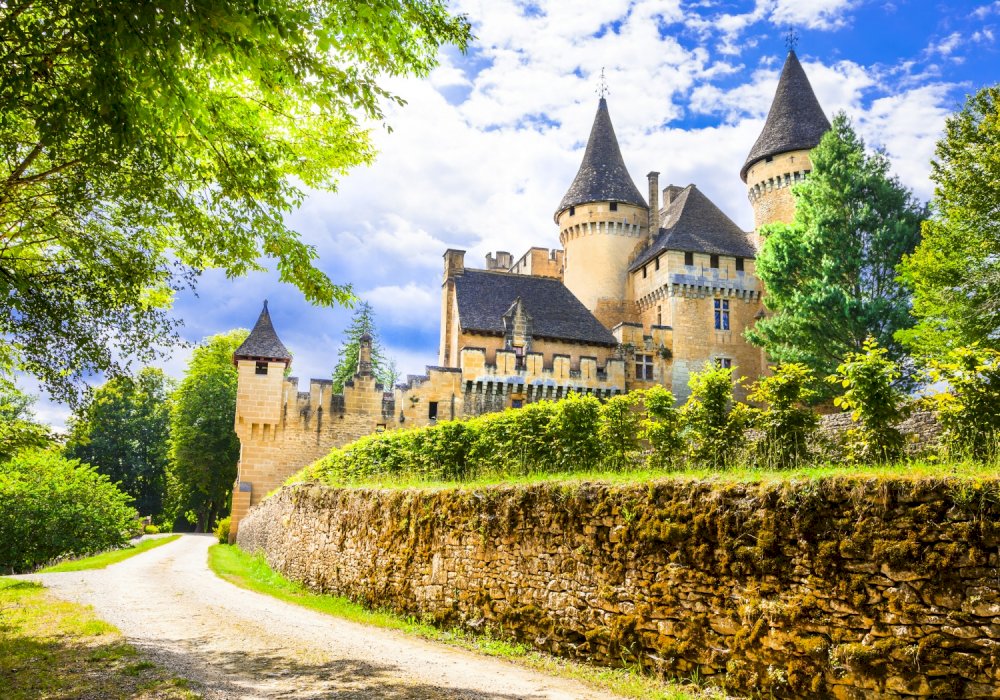
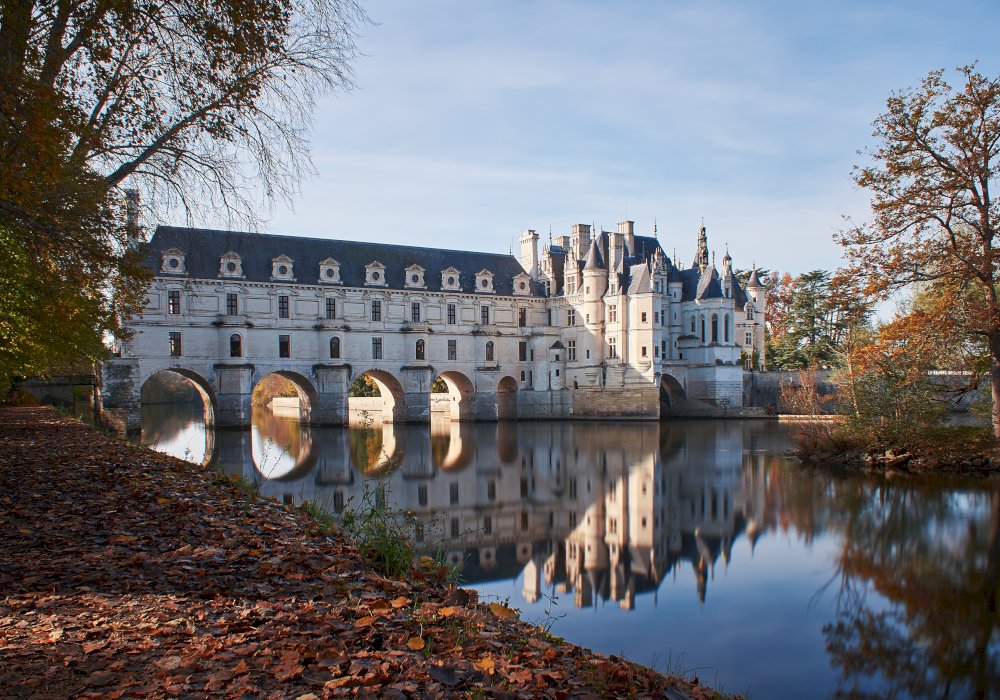
Château de Chambord (2 hours by car), with its distinctive double-spiral staircase attributed to Leonardo da Vinci, and Château de Chenonceau, spanning the Cher River like a bridge, are the two absolute must-sees. Both are UNESCO-listed and require a full morning to explore properly.
Rather than renting a car or navigating complicated public transport, many first-time visitors book the Chambord & Chenonceau Castles Tour from Tours ($110 per person for small groups), which handles all logistics and includes expert commentary on Renaissance architecture and history. The tour picks you up directly from the centrally located Tours Tourism Officce.
For a more luxurious private experience with flexible timing, the Chenonceau & Chambord Full Day Trip from Tours ($825) offers personalized service with hotel pickup and is ideal if you're traveling as a couple or small family. Both tours operate though spring (April-May) and fall (September-October) offer perfect weather and fewer crowds. Book at least one day in advance, especially during July-August peak season.
If you are unsure which Loire Valley castles to visit, this Loire Valley châteaux travel guide helps you choose the right mix of must‑see icons and quieter estates.
Chambord & Chenonceau Castles Tour from Tours - Small Group
$110
Where to Stay: Finding Your Perfect Neighborhood Base
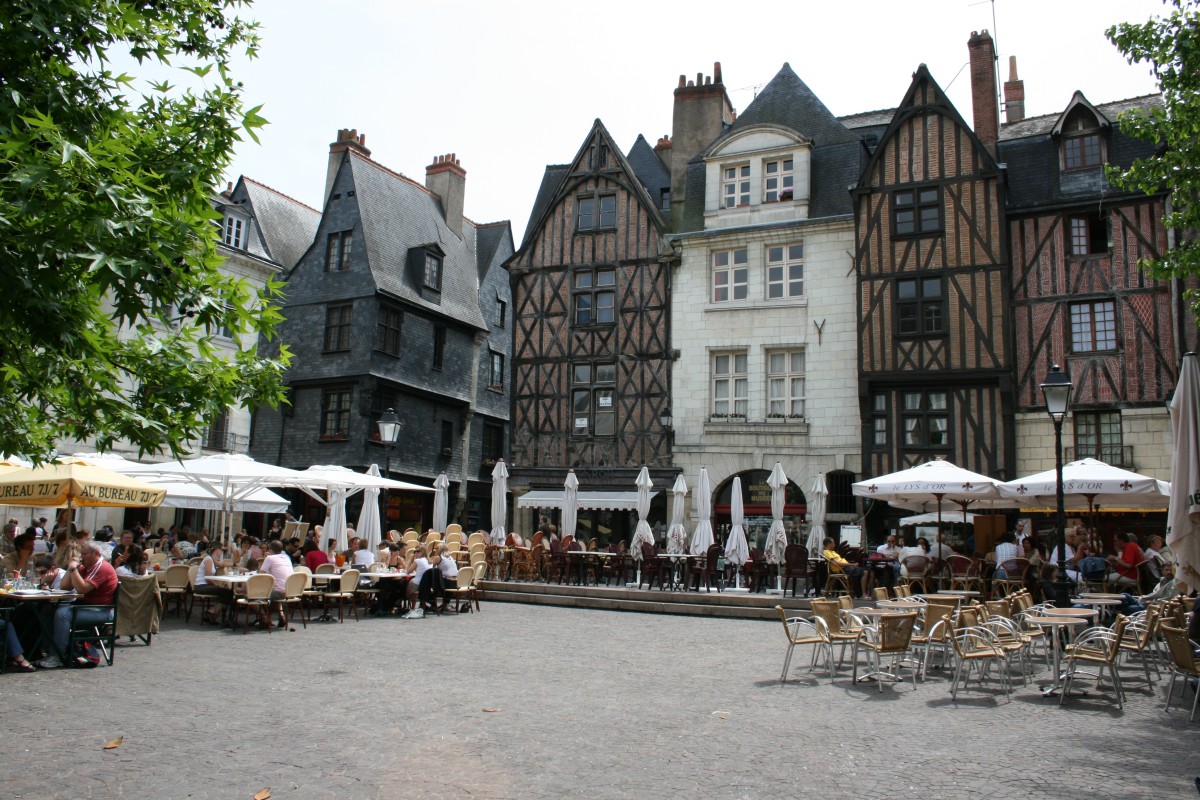
Your choice of neighborhood defines your entire Tours experience. The Vieux Tours (Old Town) centered around Place Plumereau is the obvious choice for first-timers—you'll wake up in a postcard surrounded by 15th-century half-timbered houses, artisan chocolateries, and wine bars where locals actually drink. The downside? Charm comes with noise from nightlife and slightly inflated hotel prices.
Mid-range options like Hôtel La Résidence (€80-120/night) offer character without breaking the bank. For a quieter, more local vibe, try the Saint-Gatien neighborhood near the cathedral—fewer tourists, more authentic boulangeries, and better-value accommodations.
The République district appeals to travelers seeking modern amenities and proximity to the train station, though it lacks Old Town charm. Book accommodations in advance (2-3 weeks) if visiting June-September, as Tours hosts several festivals and the summer rush is real. Many properties are in converted medieval buildings with creaky wooden stairs and low ceilings—charming but not wheelchair accessible.
Always confirm wifi quality and air conditioning before booking, as many historic properties lack these amenities despite high prices.
Wine Tasting Experiences: From Local Vouvray to Regional chinon
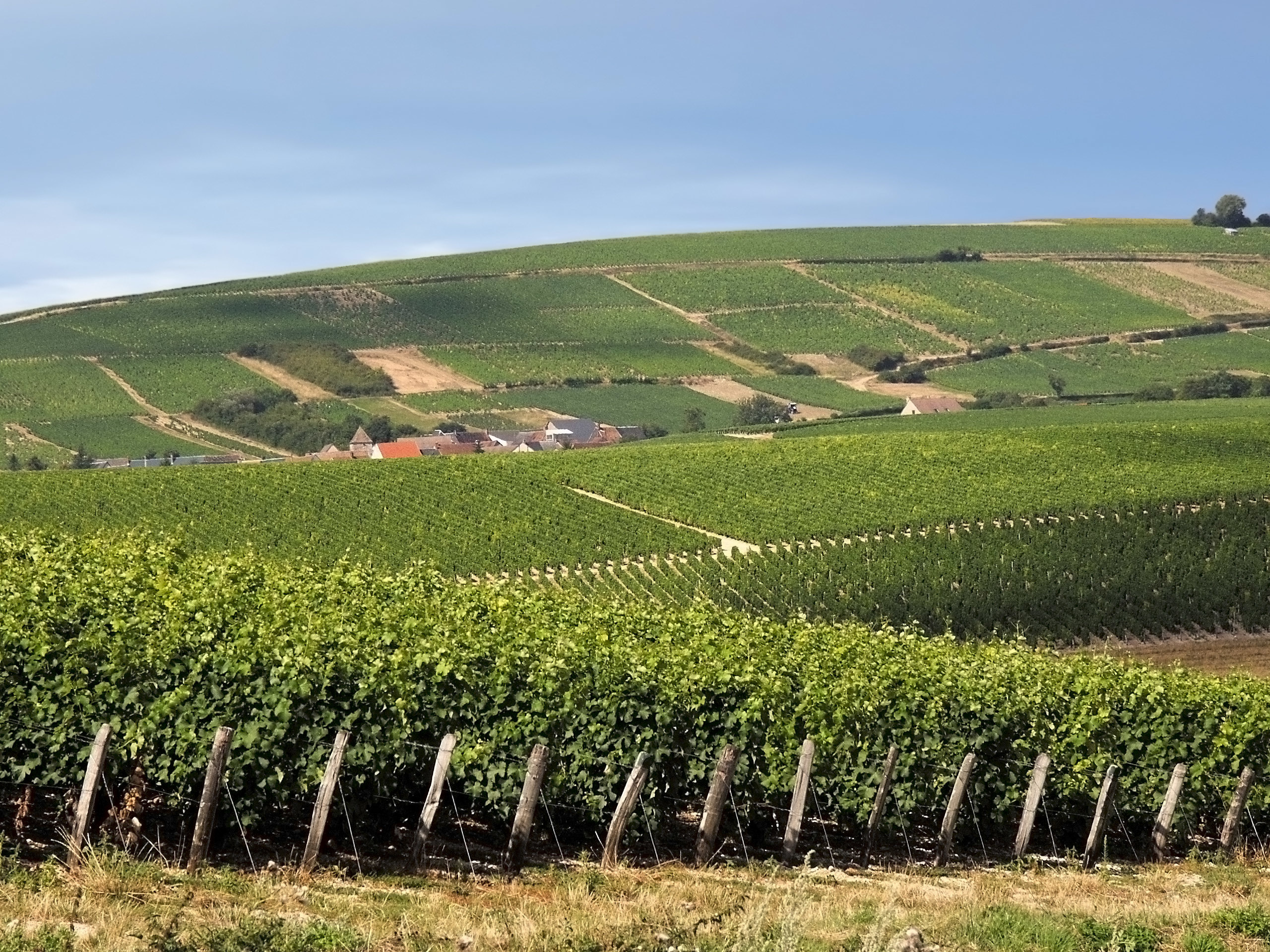
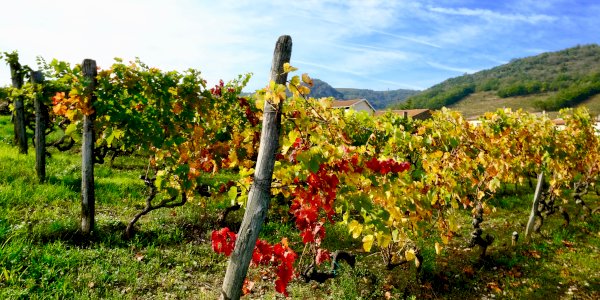
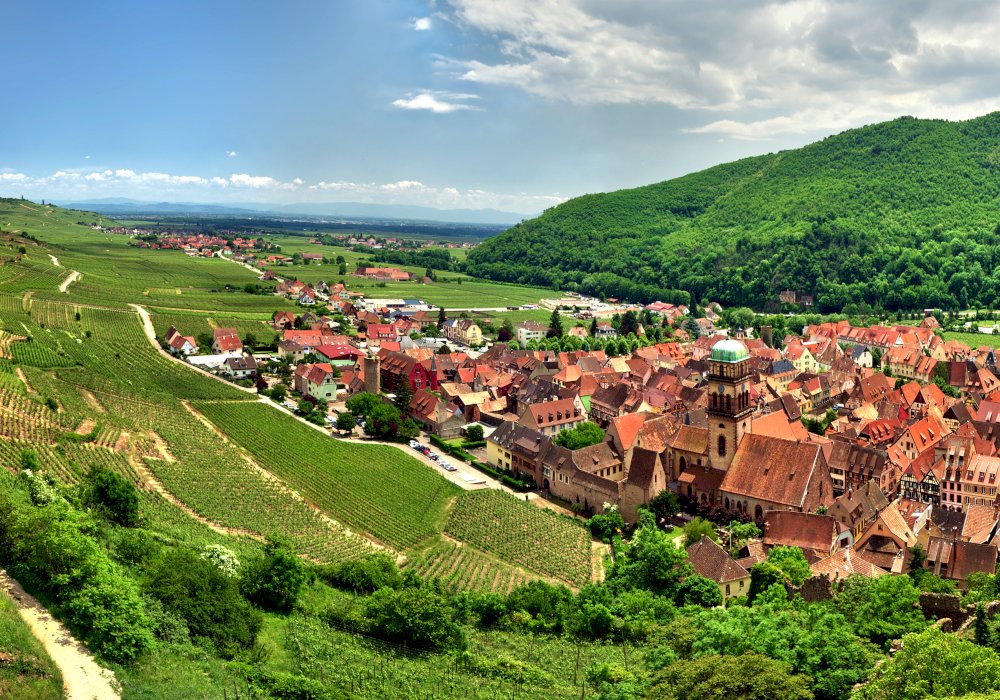
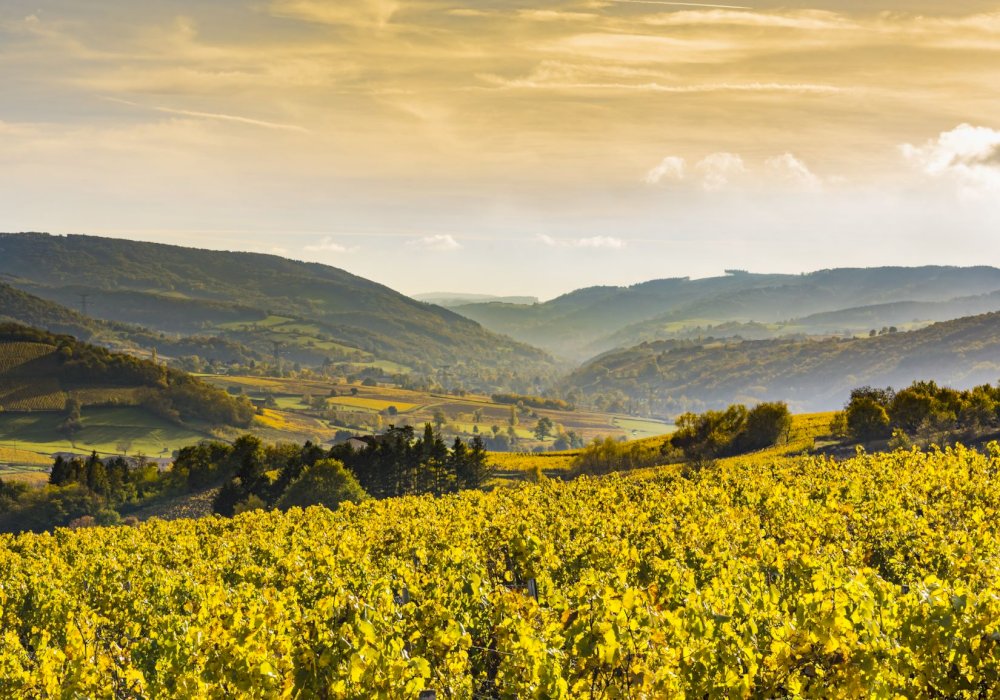
Tours sits in the heart of the Loire Valley wine region, yet many visitors completely miss the local wine culture by focusing only on Paris. The Vouvray wine region, just 15 kilometers east, produces world-class white wines using grapes that have been cultivated here since the 11th century. The Vouvray Wine Tour Half-Day from Tours ($90 per person) takes you directly into these legendary vineyards with tastings at family-run domaines where the owner often pours your glass personally. This small-group tour operates every afternoon and includes transfers from central Tours.
If you prefer a more comprehensive experience, the Loire Valley Wine Tour Full Day from Tours ($155) covers multiple appellations—Chinon and Bourgueil—giving you a complete understanding of regional terroir and winemaking traditions.
Pro tip: Skip the mass-market wine shops and instead visit the independent wine bars in Vieux Tours like Enothèque de Tours, where the sommelier actually knows every bottle's provenance.
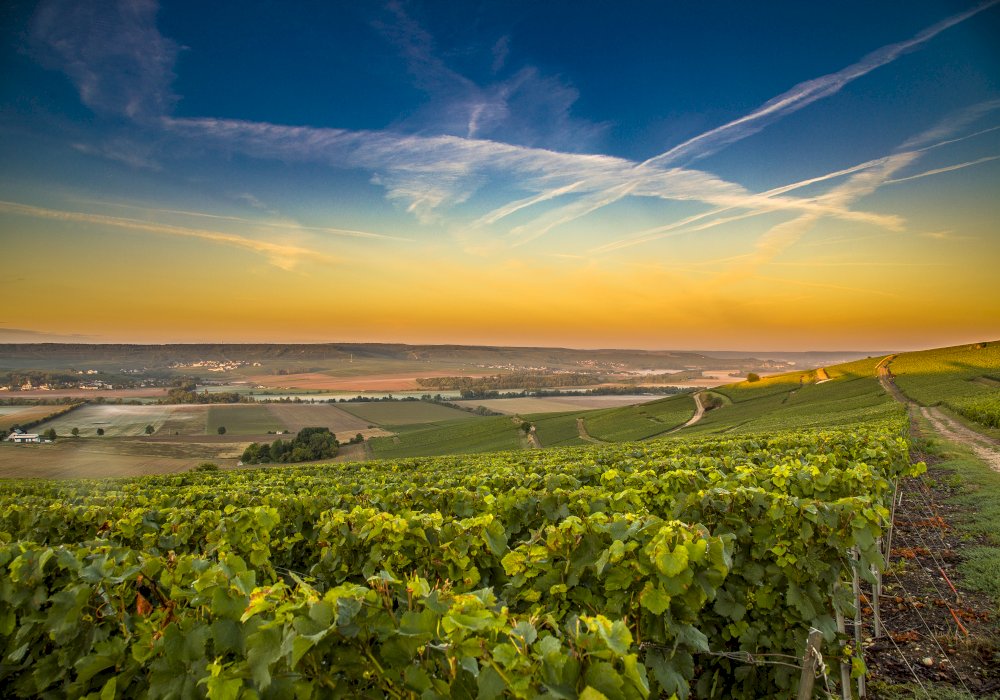
The best time to visit is September-October during harvest season when you might spot workers in the vineyards. If you're visiting in winter, several châteaux offer indoor barrel tastings.
Vouvray Wine Tour Half-Day from Tours - Small Group
$90
Essential Historical & Cultural Sites Worth Your Time

While châteaux dominate the region, Tours itself contains remarkable architecture and history that justifies a full day of exploration. The Cathédrale Saint-Gatien, with its Gothic façade and stunning stained glass, is perhaps the most underrated cathedral in France—far less crowded than Reims or Notre-Dame yet architecturally equally impressive. Inside, the windows tell biblical stories in kaleidoscopic color, and the crypt beneath contains relics of Saint Martin, who established Christianity in Tours during the 4th century.
The Musée des Beaux-Arts (fine arts museum) occupies a former archbishop's palace and houses works by Rembrandt, Delacroix, and Monet—admission is just €5. For history buffs, the Tours Musée Compagnonnage celebrates the guilds of master craftspeople who built France's greatest monuments; it's genuinely fascinating and zero tourists know about it.
The Château de Tours, though partially destroyed and rebuilt, offers panoramic city views from its tower for €3. Plan to spend your first afternoon simply wandering Vieux Tours—duck into random courtyards, discover Renaissance staircases hidden behind unmarked doors, and grab lunch at a terrasse café. Most of these historical sites require 45 minutes to 2 hours; you can realistically see all of them in a single day.
Practical Logistics: Money, Language, Timing & Pro Tips
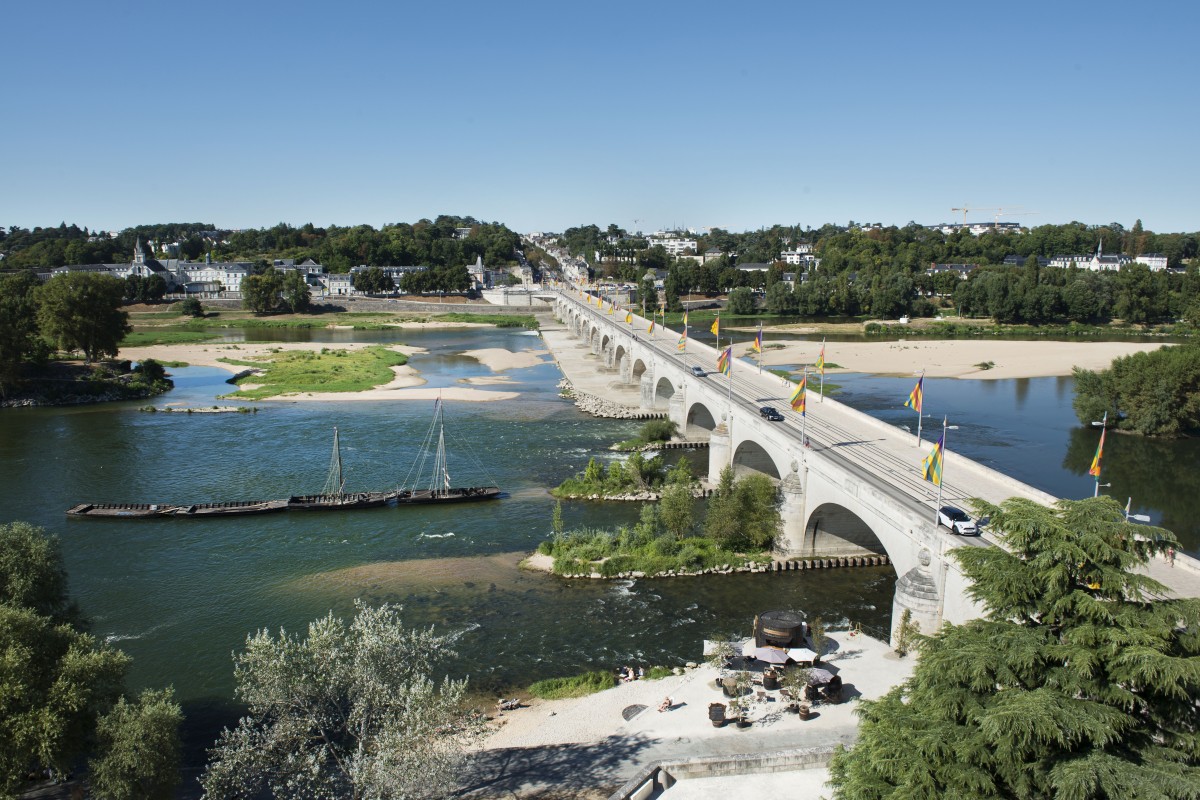
Tours is thoroughly French—English isn't widely spoken outside the tourism sector, so download Google Translate's offline feature before arriving. ATMs are plentiful throughout the city; the Banque de France office near the cathedral offers the best exchange rates for cash. Most restaurants and shops accept cards, but keep €20-30 cash for small venues and markets.
The best time to visit is April-May or September-October when weather is mild and crowds are manageable. July-August brings heat (25-28°C) and hordes of tourists; January-February is cold and gray but peaceful and dramatically cheaper.
Most attractions close Monday or Tuesday—always call ahead. Budget roughly €50-80 per person per day for meals (mix of café lunch €12-15 and proper dinner €30-50), €20-30 for museum entries, and €15-30 for wine tastings.
A tourist card (Orleans-Tours-Amboise region) offers modest discounts on châteaux entry if visiting multiple properties. The city experiences significant rainfall, so pack a compact umbrella year-round.
Walking shoes are essential—cobblestone streets are beautiful but brutal on feet. Tours is exceptionally safe; the main tourist areas have visible police presence. Most museums and attractions operate 9am-5:30pm with lunch closures noon-2pm in smaller venues.
If you are still deciding when to visit the Loire Valley, this article compares the seasons, gardens and crowd levels so you can pick the dates that suit you best.
Ready to Explore?
Ophorus offers expertly guided tours to Loire Valley châteaux and regional wine experiences that save you hours of logistics—allowing you to simply show up, enjoy, and return to your Tours accommodation refreshed rather than exhausted from navigation and planning.
View All Tours