 Please wait










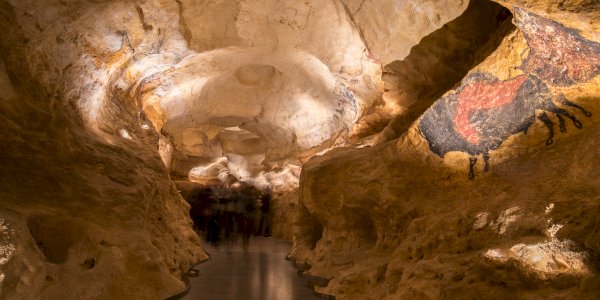
Introduction: Dordogne, a Cradle of Human Expression
The Dordogne is one of the most important regions in the world for understanding early human history. Its limestone plateaus and river valleys preserve extraordinary evidence of prehistoric life, artistic expression, and symbolic thinking dating back more than 20,000 years.
In 2026, Dordogne remains unparalleled for travelers interested in prehistoric cave art, provided visits are planned with care. Access rules, conservation requirements, and seasonal demand make local knowledge essential.
For a broader overview of villages, heritage, and travel logistics, see our complete Dordogne travel guide.
Why Dordogne Is Unique for Prehistory
Dordogne (and its immediate surroundings) concentrates:
- Paleolithic cave art
- Engravings and paintings preserved in situ
- Major interpretation centers
- Archaeological sites spanning millennia
This density makes Dordogne a reference point for prehistoric studies worldwide.
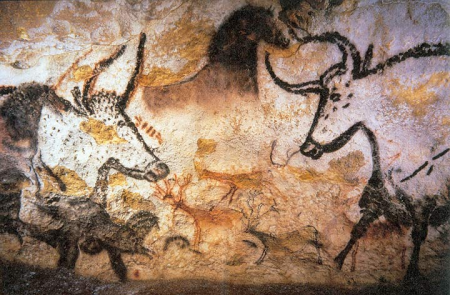
Lascaux: The Foundation of Any Prehistory Visit
Lascaux is the most famous prehistoric site in the region—and often the first name travelers encounter.
Understanding Lascaux Today
- The original cave is closed for conservation
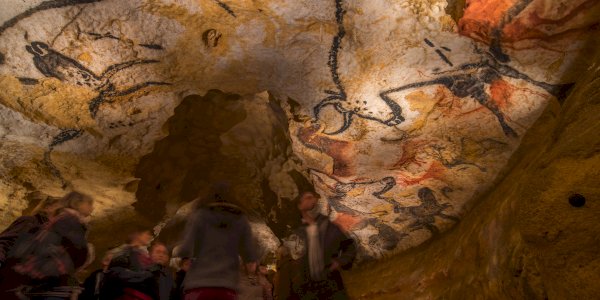
- Visits take place at Lascaux IV, a highly accurate replica
- The replica reproduces paintings, engravings, and cave reliefs
While some visitors are initially surprised by the replica format, Lascaux IV provides exceptional educational context, controlled access, and visual clarity that would not be possible in the original cave.
For first-time visitors, Lascaux remains an essential introduction to Paleolithic art.
Rouffignac Cave: Access Can Be Uncertain
Rouffignac Cave is known for its mammoth engravings and long underground galleries.
Important Note for 2026
Access to Rouffignac can be uncertain, as:
- Visits require guides to spend extended periods underground
- Guide availability may vary
- Access conditions can change with little notice
As a result, Rouffignac cannot always be guaranteed in advance, particularly during busy periods.
For travelers with limited time or specific expectations, this uncertainty should be factored into planning.
Exceptional Alternatives for Private Tours
One of Dordogne’s greatest advantages is the variety of authentic prehistoric sites available—especially when visits are arranged in advance through private or guided itineraries.
Font-de-Gaume: Authentic Painted Cave
Font-de-Gaume is one of the last caves in France where visitors can still see original Paleolithic paintings.
Key characteristics:
- Real, in-situ paintings
- Strictly limited daily access
- Advance reservations essential
Font-de-Gaume is often considered the most moving prehistoric experience in the region.
Les Combarelles: Engravings & Detail
Les Combarelles features thousands of fine engravings.
Why it matters:
- Exceptional level of detail
- Human and animal figures
- Quiet, focused visits
This cave is particularly well suited to travelers interested in artistic technique and symbolism.
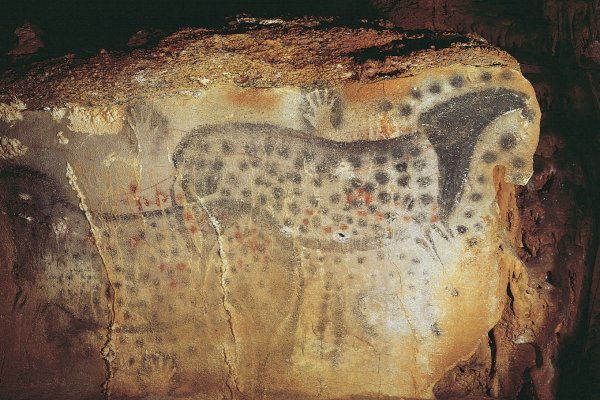
Pech Merle: A Powerful Alternative
Pech Merle is located in the neighboring Lot region but integrates naturally into Dordogne itineraries.
Highlights include:
- Authentic prehistoric paintings
- Handprints and spotted horses
- Strong emotional impact
Pech Merle is an excellent alternative when access to Dordogne caves is limited.
Why Advance Planning Is Essential for Cave Visits
Prehistoric caves are fragile environments, and access is:
- Strictly limited
- Regulated by conservation rules
- Highly seasonal
In summer, demand is amplified by French families traveling with children, as prehistoric art is part of the national school curriculum around age 12. This creates strong domestic demand during school holidays.
As a result, last-minute access is rarely possible for the most important sites.
Physical Considerations for Cave Visits
Prehistoric cave visits often involve:
- Narrow passages
- Uneven ground
- High humidity
- Standing for extended periods
While not technically difficult, these conditions can be physically demanding, particularly for visitors with mobility limitations.
Understanding these realities in advance helps ensure a comfortable experience.
Why Local Guided Travel Makes a Difference for Prehistory
Exploring Dordogne’s prehistoric sites with a local tour operator allows for:
- Advance reservation management
- Substitution of equivalent sites when access changes
- Realistic routing between valleys
- Contextual explanation beyond signage
This flexibility is especially valuable given the uncertainty of access to certain caves.
Prehistory & Multi-Day Dordogne Travel
Prehistoric sites are best experienced over multiple days, allowing:
- Balanced pacing
- Combination with villages and castles
- Reduced travel fatigue
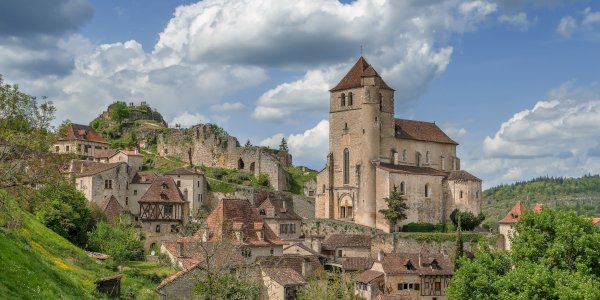
This approach transforms cave visits from isolated stops into a coherent cultural journey. Prehistoric sites are often combined with visits to Dordogne villages, creating a balanced cultural itinerary.
Our Dordogne multi-day tours are designed to include the most appropriate prehistoric sites based on availability and access conditions.
Practical Note for Multi-Day Travelers
For guests traveling on multi-day itineraries in the Dordogne, practical travel information such as daily schedules, meeting points, and key details are provided digitally through the Ophorus travel app, ensuring smooth coordination throughout the journey.
Final Thoughts: Prehistory Requires Careful Planning
Dordogne offers some of the most extraordinary prehistoric experiences in the world—but only when visits are planned realistically. Understanding access limitations, physical conditions, and seasonal demand is key to a successful journey.
Dordogne’s cave art plays a central role in history and heritage tours in France, spanning from prehistory to the Middle Ages.
In 2026, travelers who rely on local expertise and flexible itineraries consistently enjoy the richest and most meaningful encounters with early human history.
For practical questions about cave access, physical requirements, and planning, our France travel FAQ provides helpful guidance.