 Please wait






Introduction: Why the Dordogne Remains One of France’s Most Authentic Regions
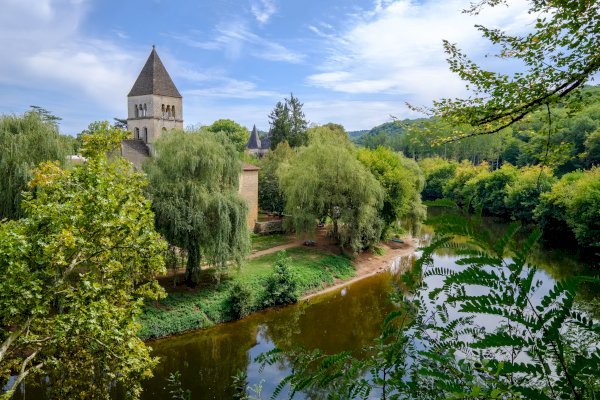
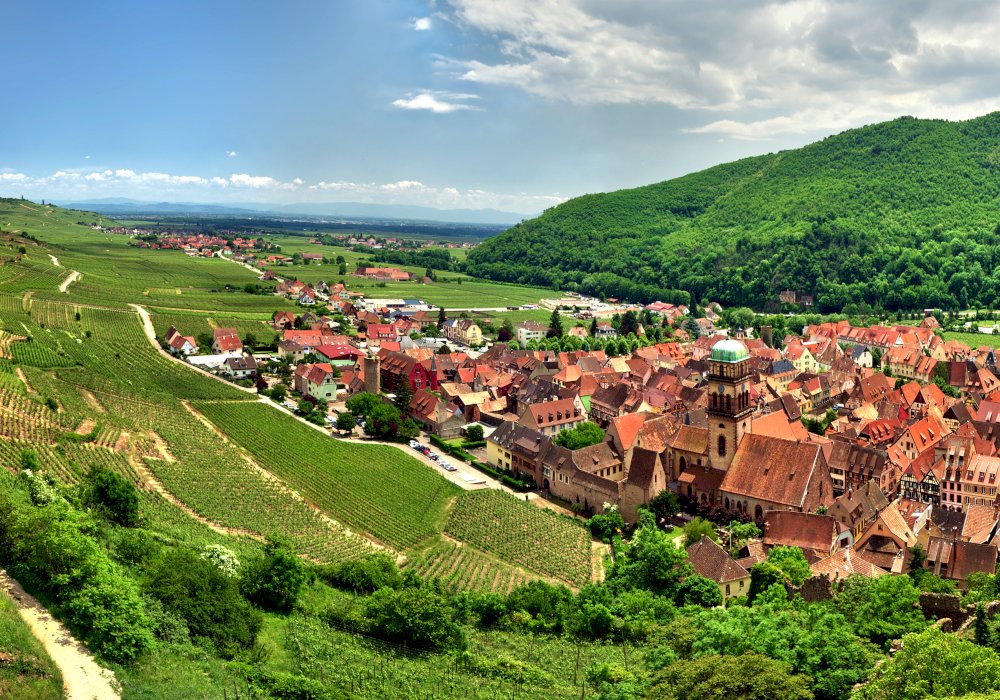
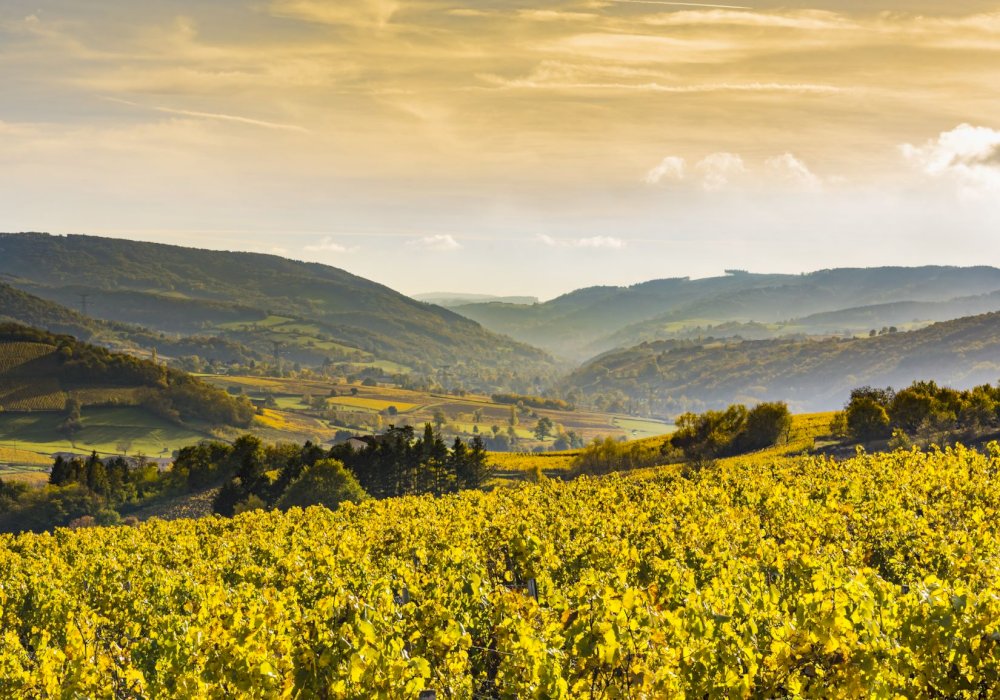
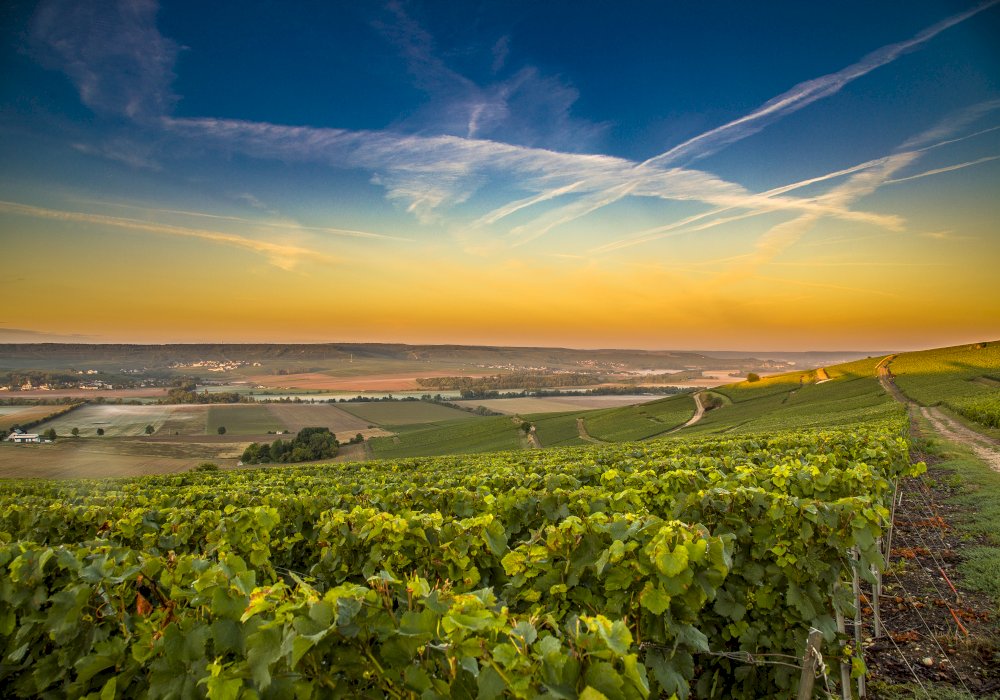
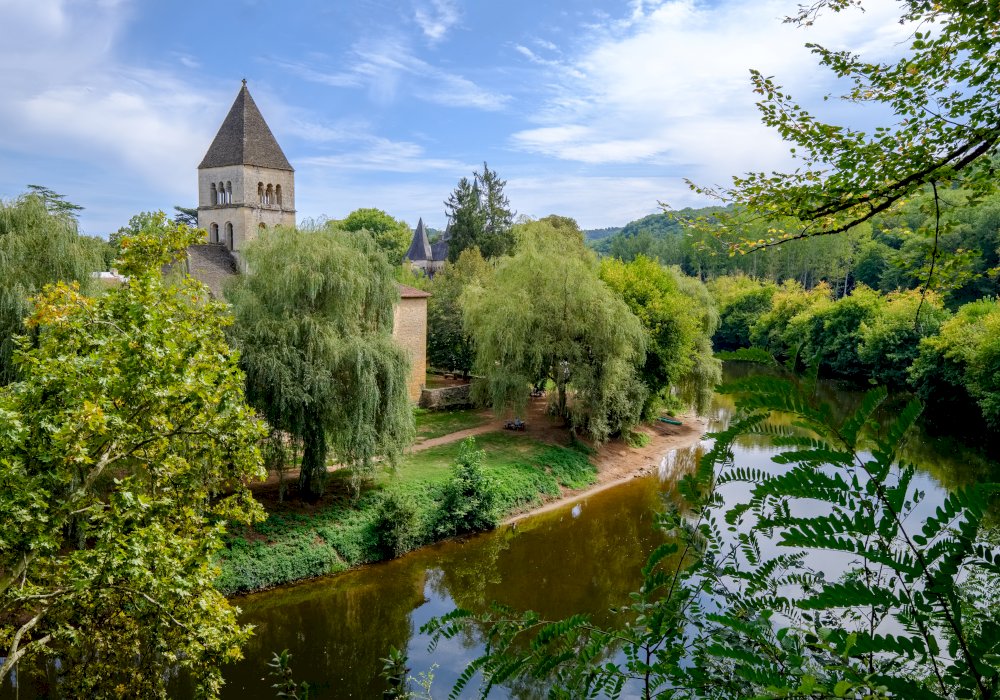
The Dordogne—often referred to as Périgord—is one of France’s most evocative regions. Defined by stone villages, river valleys, medieval castles, and prehistoric heritage, Dordogne offers a sense of continuity that few destinations can match.
In 2026, Dordogne appeals strongly to travelers seeking authentic France, away from crowds and fast-paced itineraries. When explored at the right rhythm, it delivers one of the richest cultural experiences in the country.
For a broader overview of France’s regions, travel styles, and seasonal planning, see our complete France travel guide for 2026.
Dordogne at a Glance
- Best for: Villages, medieval heritage, prehistory, countryside
- Seasonality: April–October (excellent shoulder seasons)
- Ideal stay: 3–5 days
- Travel style: Small group tours, private tours, multi-day itineraries
Dordogne is compact geographically but dense in sites, making pacing and routing essential.
Understanding Dordogne: Four Historic Périgords
Dordogne is traditionally divided into four areas, each with its own character:
- Périgord Noir: Medieval villages, castles, prehistory
- Périgord Blanc: Rolling countryside and market towns
- Périgord Vert: Rural landscapes and forests
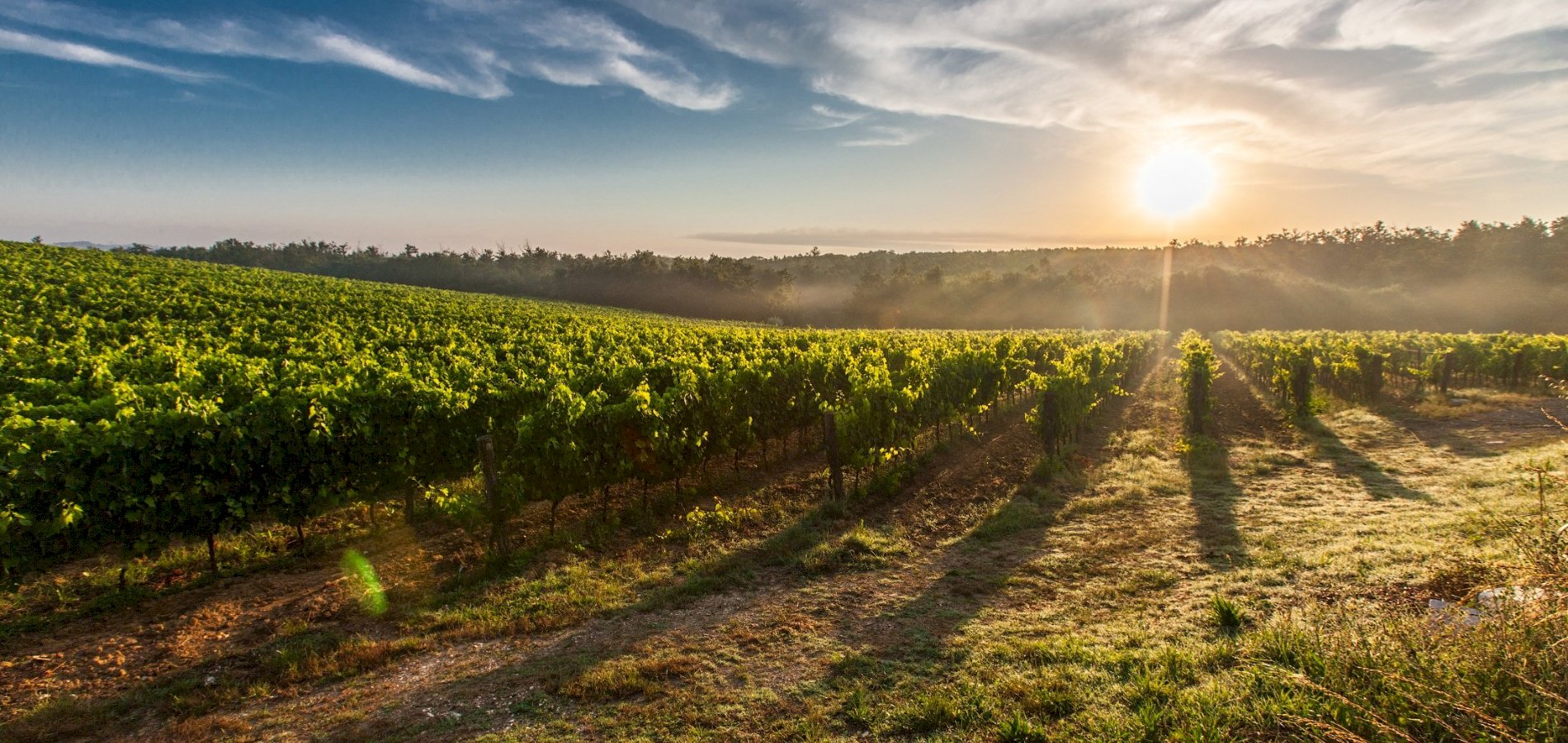
- Périgord Pourpre: Vineyards around Bergerac
Most travelers focus on Périgord Noir, home to the region’s most iconic sites.
Sarlat-la-Canéda: The Heart of Dordogne
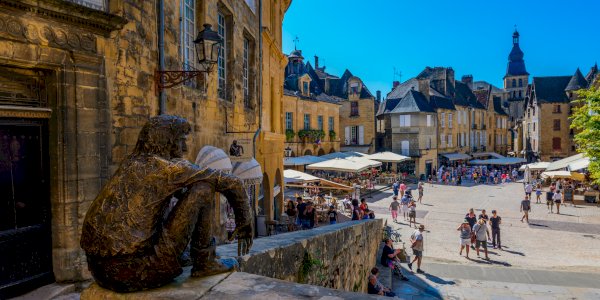
Sarlat-la-Canéda is widely considered the cultural and logistical heart of the Dordogne.
Why Sarlat Is the Ideal Starting Point
- Exceptionally preserved medieval center
- Central location within Périgord Noir
- Easy access to villages, castles, and prehistoric sites
For these reasons, many Dordogne itineraries are designed to depart from Sarlat-la-Canéda, allowing travelers to explore the region efficiently without long daily drives.
Dordogne Villages: Stone, River & Continuity
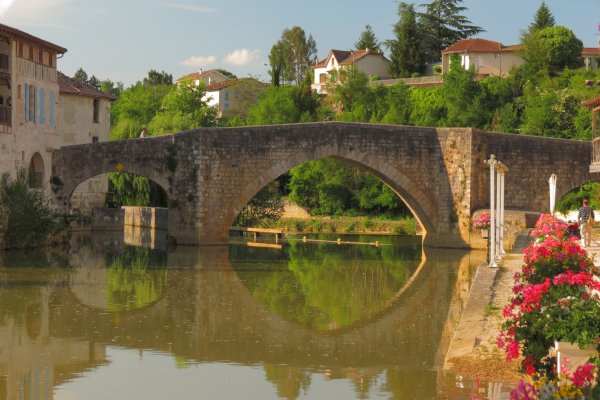
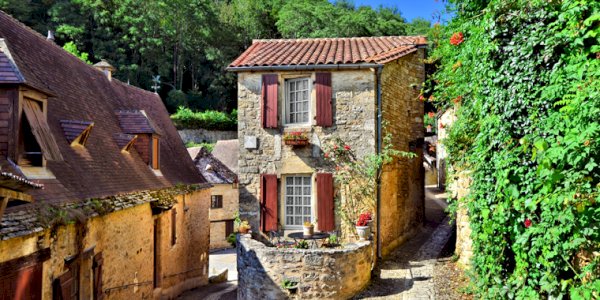
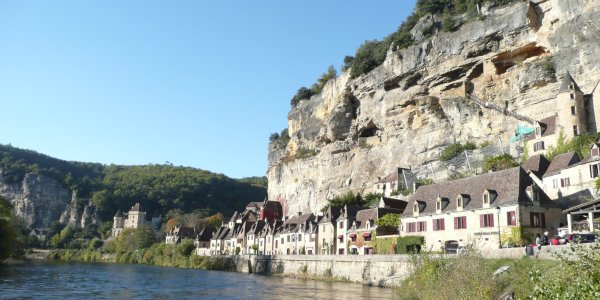
Dordogne is home to some of France’s most atmospheric villages.
Notable examples include:
- Beynac-et-Cazenac
- La Roque-Gageac
- Domme
These villages are best appreciated outside peak hours, reinforcing the value of structured itineraries. Dordogne is often cited among the most iconic scenic countryside and villages of France, particularly in the southwest.
Castles of the Dordogne: Medieval Power Along the River
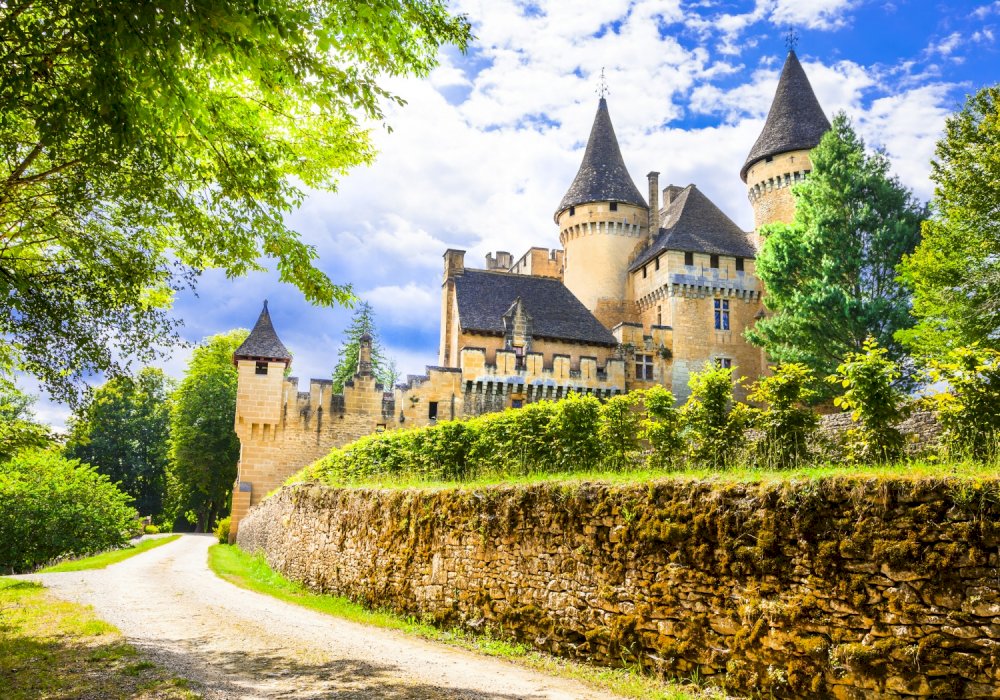
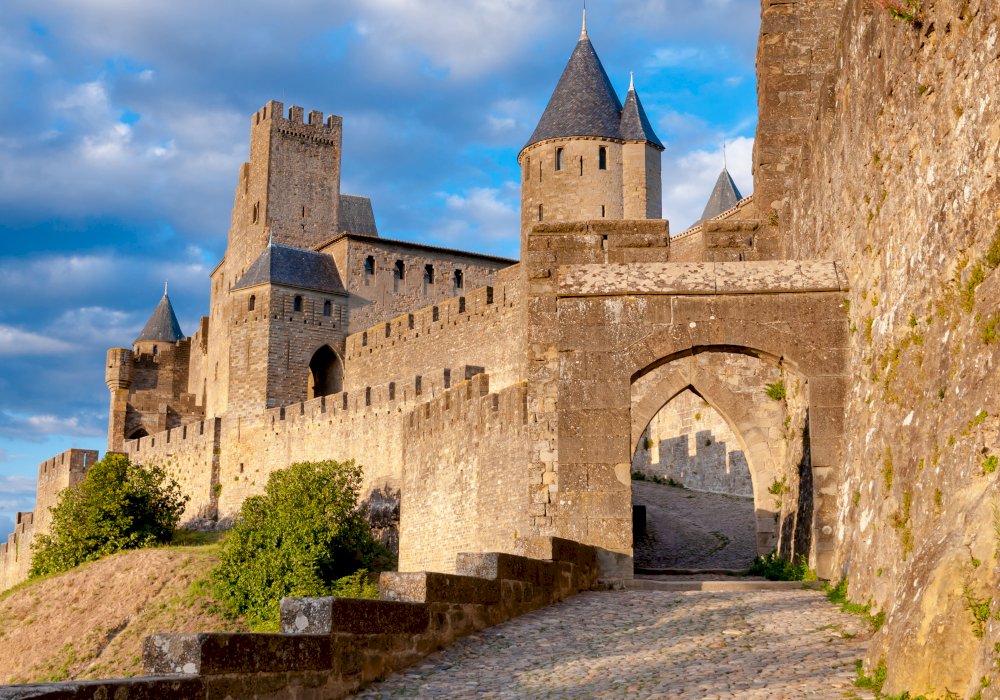
Unlike Renaissance châteaux, Dordogne castles reflect medieval defense and territorial control.
Key sites include:
- Château de Beynac
- Château de Castelnaud
These castles provide context to the region’s strategic importance during the Middle Ages.
Prehistory in the Dordogne: A Unique Heritage
Dordogne is one of the world’s most important regions for prehistoric art.
Highlights include:
- Cave systems with Paleolithic art
- Prehistory museums and interpretation centers
Sites such as the Lascaux area (replica visits) offer extraordinary insight into early human history. Dordogne plays a central role in history and heritage tours in France, from medieval fortresses to prehistoric art.
Dordogne Day Trips vs Multi-Day Travel
Day Trips
Day trips allow:
- Limited village exposure
- Minimal time for context
They are best for travelers already staying nearby.
Multi-Day Dordogne Travel
Strongly recommended.
Multi-day itineraries allow:
- Balanced village and castle visits
- Time for markets and countryside
- Inclusion of prehistoric sites
- Reduced daily driving
For most travelers, 3–5 days unlock Dordogne’s full richness.
How to Get Around the Dordogne
Public transport is limited and does not serve villages or rural sites effectively.
The most practical options include:
- Chauffeur-driven private tours
- Small group tours with local driver-guides
- Multi-day itineraries based in or departing from Sarlat
This ensures comfort, access, and realistic pacing.
Best Time to Visit the Dordogne
- April–June: Mild weather, active villages
- July–August: Lively but busy
- September–October: Excellent light, fewer crowds
Spring and early fall consistently provide the best overall experience.
Dordogne as Part of a Broader France Itinerary
Dordogne combines naturally with:
- Bordeaux and the wine regions of Southwest France
- Provence-style countryside itineraries
- Multi-regional France journeys
It fits particularly well into slow, culture-focused itineraries.
Practical Note for Multi-Day Travelers
For guests traveling on multi-day itineraries in the Dordogne, practical travel information such as daily schedules, meeting points, and key details are provided digitally through the Ophorus travel app, ensuring smooth coordination throughout the journey.
Final Thoughts: Dordogne Rewards Time & Curiosity
Dordogne is not a destination to rush. Its villages, castles, and prehistoric heritage reveal their depth only when travelers allow time for exploration and reflection.
In 2026, Dordogne remains one of France’s most authentic regions—best experienced through well-paced, multi-day travel departing from Sarlat-la-Canéda.
For practical questions about village access, pacing, and regional logistics, our France travel FAQ provides clear guidance.