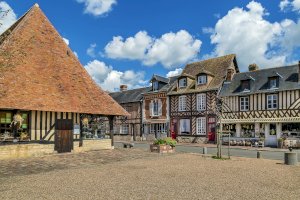
A 2026 guide to Dordogne villages and nearby highlights, with travel tips for Beynac, Domme, Rocamadour, and Saint-Cirq-Lapopie.
Introduction: Why Villages Are the Soul of the Dordogne
The Dordogne is often described as timeless—and nowhere is this more evident than in its villages. Built in stone, shaped by rivers and cliffs, and largely untouched by modern development, Dordogne villages preserve a rare sense of continuity.
In 2026, travelers increasingly seek destinations that feel lived-in rather than staged. Dordogne delivers this through villages that reward slow exploration, thoughtful routing, and time to absorb atmosphere.
For a complete overview of heritage, prehistory, and travel logistics, see our full Dordogne travel guide.
Sarlat-la-Canéda: The Natural Gateway
Sarlat-la-Canéda is the ideal starting point for exploring Dordogne villages.
Why Sarlat works so well:
- Exceptionally preserved medieval center
- Central position in the Dordogne and Vézère valleys
- Logical departure point for village-focused itineraries
For this reason, many Dordogne village itineraries depart from Sarlat-la-Canéda, minimizing daily driving and maximizing time on site.
Beynac-et-Cazenac: Medieval Power Above the River
Beynac-et-Cazenac rises dramatically above the Dordogne River, dominated by its imposing fortress.
Why Beynac is essential:
- One of France’s best-preserved medieval villages
- Strategic river views explaining regional history
- Strong visual contrast between village and castle
Beynac provides crucial historical context for understanding Dordogne’s medieval past. Medieval fortresses and pilgrimage villages like these play a central role in history and heritage tours in France.
La Roque-Gageac: Stone & Water in Perfect Balance
La Roque-Gageac is nestled between a cliff face and the Dordogne River.
Why travelers love it:
- Unique vertical setting
- Warm stone architecture
- Riverside atmosphere
La Roque-Gageac is particularly rewarding when visited early in the day or late afternoon, outside peak river traffic.
Domme: A Bastide with a View
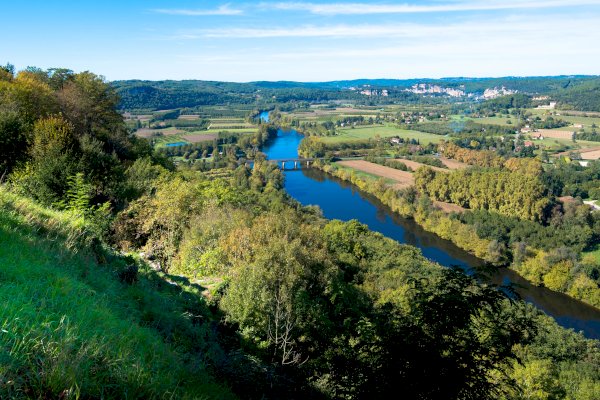
Domme sits high above the Dordogne Valley, offering expansive views.
What sets Domme apart:
- Bastide town layout
- Panoramic viewpoints
- Strong sense of space and light
Domme works well as a counterpoint to river-level villages.
Saint-Léon-sur-Vézère: Quiet Elegance
Saint-Léon-sur-Vézère is one of Dordogne’s most understated villages.
Why it’s a favorite stop:
- Peaceful riverside setting
- Romanesque church
- Minimal tourist traffic
Saint-Léon-sur-Vézère offers a moment of calm and is ideal for travelers seeking off-the-beaten-path Dordogne.
Rocamadour: A Spectacular Detour Worth Making
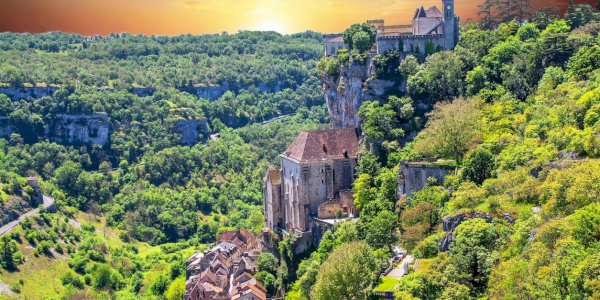
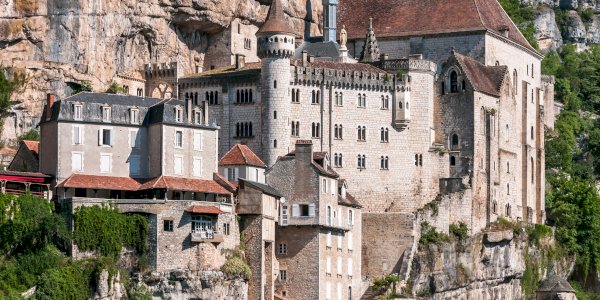
Rocamadour is technically located in the neighboring Lot region—but its cultural and visual impact makes it a natural extension of Dordogne itineraries.
Why Rocamadour is included:
- One of France’s most dramatic village settings
- Major pilgrimage site built into a cliff
- Strong emotional and visual experience
Rocamadour works best as part of a full-day or multi-day itinerary, not as a rushed add-on.
Beyond Dordogne: Exceptional Villages We Also Explore
To create deeper and more distinctive itineraries, Dordogne travel can be enriched with nearby villages that share similar heritage and atmosphere.
Collonges-la-Rouge
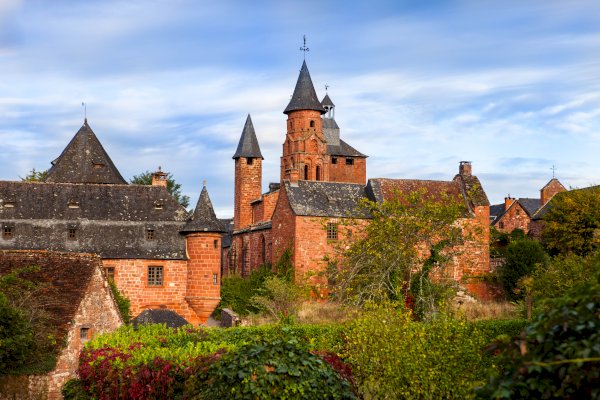
Collonges-la-Rouge is famous for its striking red sandstone.
Why it stands out:
- Unique color palette
- Compact, walkable center
- Strong architectural identity
Carennac
Carennac offers Romanesque heritage and a relaxed riverside feel.
Ideal for:
- Heritage-focused travelers
- Quiet exploration
- Architectural detail
Saint-Cirq-Lapopie
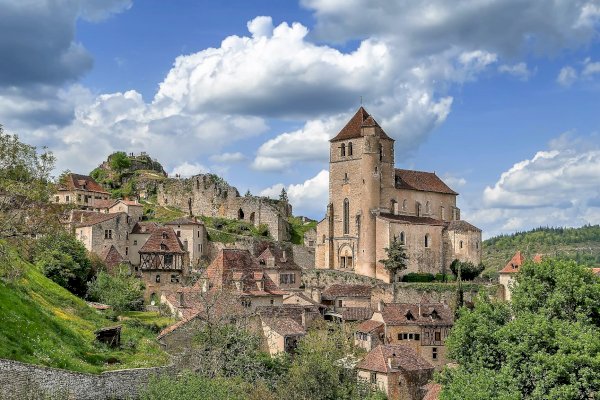
Saint-Cirq-Lapopie is perched high above the Lot River.
Why it’s unforgettable:
- Dramatic clifftop location
- Artisan village atmosphere
- One of France’s most celebrated villages
Saint-Cirq-Lapopie requires careful timing to avoid peak crowds, reinforcing the value of guided travel.
How Many Villages Should You Visit?
A realistic guideline:
- 2–3 villages per day → ideal
- 4 villages → demanding
- 5+ villages → rushed and superficial
Villages require walking, orientation, and time to absorb atmosphere.
Physical Considerations When Visiting Dordogne Villages
Many of Dordogne’s most beautiful villages were built long before modern accessibility standards. As a result, village exploration often involves:
- Uneven cobblestone streets
- Steep slopes and staircases
- Limited handrails in historic areas
- Standing and walking on stone surfaces
Villages such as Beynac, Domme, Rocamadour, and Saint-Cirq-Lapopie are visually spectacular, but physically demanding, particularly in warm weather.
For travelers with reduced mobility, knee or back issues, or limited stamina, pacing and village selection become especially important. Understanding these realities in advance helps ensure a more comfortable and enjoyable experience.
Why Guided Village Travel Makes a Difference
Village-focused itineraries benefit from:
- Efficient routing between valleys
- Parking access close to village centers
- Timing visits outside peak hours
- Contextual explanation
Why Dordogne Is Challenging for Self-Drive Travel
While Dordogne may appear rural and peaceful on a map, it is one of the most demanding regions in France for self-drive travel, particularly during peak season.
Key challenges include:
- Narrow, winding country roads
- Limited visibility and passing space
- Heavy seasonal traffic, especially in summer
- Congested village access and scarce parking
Dordogne remains a very popular destination for French families, many of whom travel with children to visit prehistoric caves—an essential part of the national school curriculum around age 12. This leads to significant domestic traffic, particularly in July and August.
As a result, driving times can be unpredictable, and navigating between villages often takes longer than expected.
This is particularly important when combining Dordogne with nearby regions such as the Lot or Corrèze.
Why Traveling with a Local Company Makes a Difference
Exploring Dordogne with a local tour operator allows travelers to focus on discovery rather than logistics.
Local driver-guides:
- Select realistic routes based on season and traffic
- Adjust pacing according to physical comfort
- Know where and when village access is easiest
- Anticipate congestion around major sites and caves
This approach is particularly valuable in Dordogne, where road conditions, seasonal crowds, and village layouts can quickly turn a self-drive itinerary into a stressful experience. For many visitors, especially families and mature travelers, traveling with a local company is the most comfortable and reliable way to experience Dordogne’s villages.
For many visitors, especially families and mature travelers, traveling with a local company is the most comfortable and reliable way to experience Dordogne’s villages.
Villages & Multi-Day Dordogne Travel
Village exploration works best over multiple days, allowing:
- Balanced days without backtracking
- Inclusion of lesser-known villages
- Time for markets, viewpoints, and meals
This approach consistently delivers higher satisfaction. Our Dordogne multi-day tours, departing from Sarlat-la-Canéda, are designed to connect villages at a relaxed and coherent pace.
Practical Note for Multi-Day Travelers
For guests traveling on multi-day village itineraries in the Dordogne and surrounding regions, practical travel information such as daily schedules, meeting points, and key details are provided digitally through the Ophorus travel app, ensuring smooth coordination throughout the journey.
Final Thoughts: Dordogne Villages Reward Curiosity
The villages of Dordogne and its neighboring regions offer a form of travel that values place over pace. Travelers who allow time for exploration, choose fewer stops, and follow natural routes consistently describe these villages as the most memorable part of their journey.
Dordogne villages are often cited among the most iconic scenic countryside and villages of France.
In 2026, village-focused itineraries departing from Sarlat-la-Canéda remain one of the most authentic ways to experience Southwest France.
For practical questions about village access, driving distances, and itinerary pacing, our France travel FAQ provides clear guidance.
 Please wait