 Please wait


Introduction: Understanding Bordeaux Beyond the Labels
Bordeaux is one of the world’s most famous wine regions, yet it is also one of the most complex. In 2026, travelers increasingly want more than prestigious names—they want to understand why each Bordeaux wine region is different, and the different ways to visit Bordeaux wine regions in a meaningful way.
Bordeaux is not a single wine area but a mosaic of distinct appellations spread across both sides of the Garonne and Dordogne rivers. Exploring them well requires geography, timing, and local insight.
For a broader look at the city, countryside, and travel logistics, see our complete Bordeaux travel guide.
Bordeaux is one of the most emblematic destinations for wine travel in France, offering a remarkable diversity of styles within a single region.
The Left Bank: Structure, Power & Classic Estates
Médoc
The Médoc is synonymous with iconic châteaux and Cabernet Sauvignon–dominant blends.
What defines Médoc:
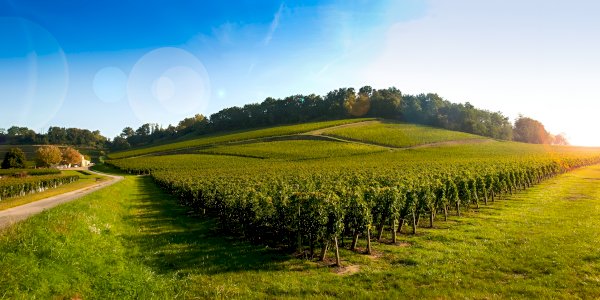
- Long, flat vineyard landscapes
- Prestigious classified growths
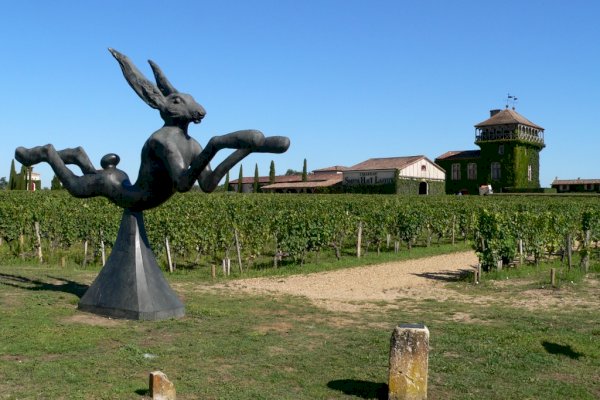
- Historic estates with deep-rooted traditions
Médoc visits are best organized with advance appointments and efficient routing, as estates are spread out and public transport is limited.
Graves
South of Bordeaux, Graves produces both red and white wines and offers a quieter, more understated atmosphere than Médoc.
Graves appeals to travelers seeking:
- Elegant wines
- Less crowded estates
Proximity to Bordeaux city
The Right Bank: Terroir, Villages & Merlot
Saint-Émilion
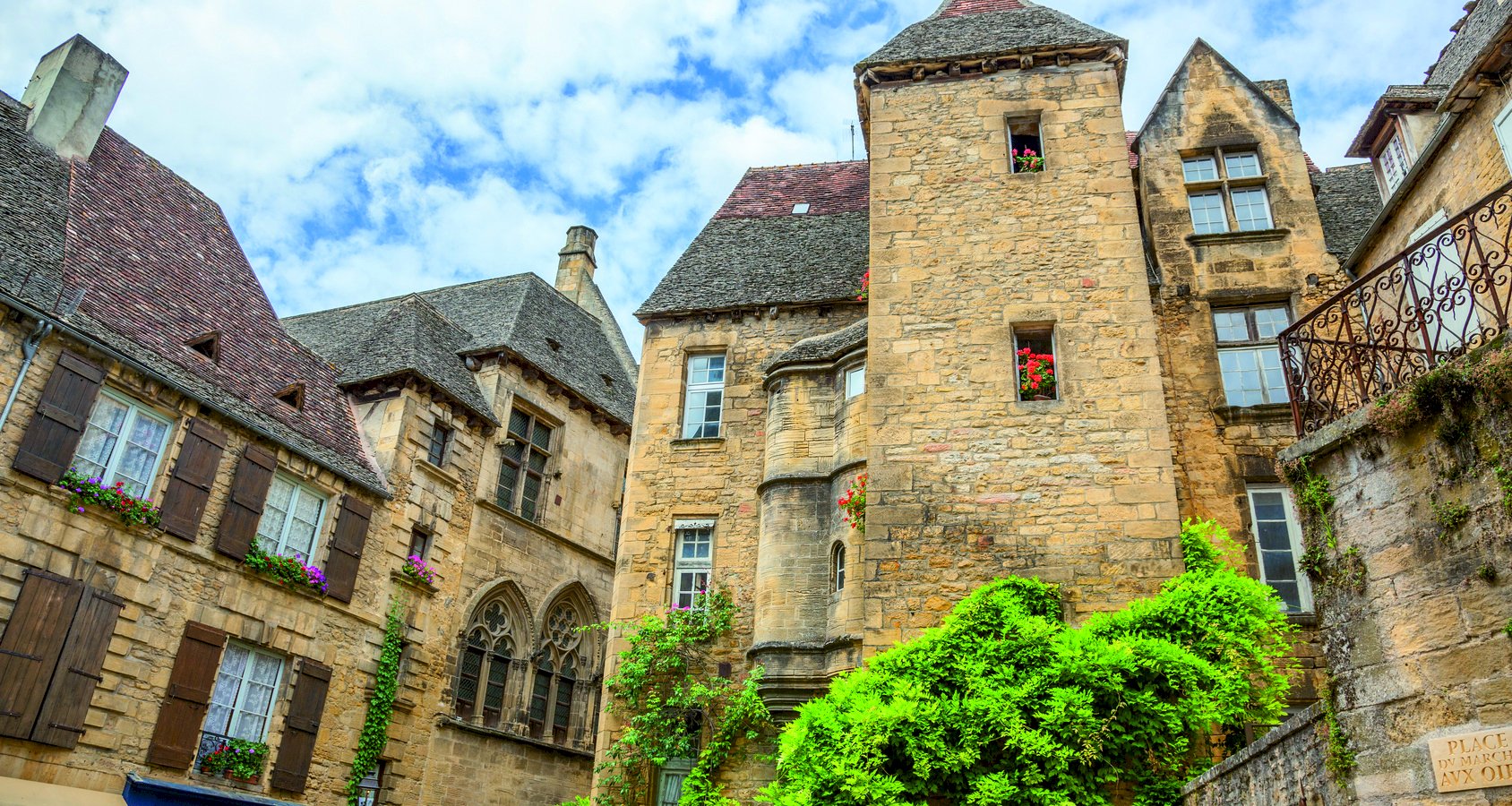
Saint-Émilion combines exceptional wines with one of the most picturesque villages in France.
What makes Saint-Émilion unique:
- Merlot-driven wines
- Underground monuments and medieval streets
- UNESCO World Heritage status
Its compact geography makes it ideal for combining wine tastings with village exploration.
Sweet Wines & Distinctive Styles
Sauternes
Sauternes is known worldwide for its sweet wines, produced through noble rot.
A visit to Sauternes offers:
- A different perspective on Bordeaux
- Smaller, family-run estates
- A strong contrast with red wine regions
Sauternes is often paired with Graves or Médoc for a balanced itinerary.
How to Choose the Right Bordeaux Wine Region
Each region appeals to a different travel style:
- Médoc: Prestige, history, classic châteaux
- Saint-Émilion: Wine + village atmosphere
- Graves: Elegance, proximity, calm pace
- Sauternes: Unique wines, niche experience
Many travelers combine two regions over a few days rather than trying to see everything in one day to experience hassle-free Bordeaux wine tasting tours.
Why Guided Wine Tours Matter in Bordeaux
Bordeaux wine regions are not designed for casual drop-ins.
Guided visits provide:
- Pre-arranged winery appointments
- Logical routing between estates
- Context on terroir and winemaking
- The freedom to enjoy tastings without driving
This is particularly important for visitors unfamiliar with Bordeaux’s scale and structure. Take a guided tour to Bordeaux’s top wine regions to navigate these efficiently while providing insight into terroir, estates, and local traditions.
Day Trips vs Multi-Day Wine Travel
Day Trips from Bordeaux
Ideal for:
- One wine region (Médoc or Saint-Émilion)
- Travelers staying in Bordeaux city
Multi-Day Wine Itineraries
Better for:
- Combining multiple wine regions
- Adding countryside or Dordogne
- Slower, more immersive travel
Multi-day itineraries allow wine travel to feel experiential rather than rushed. For travelers seeking depth, Bordeaux multi-day itineraries allow time to combine multiple wine regions with villages and countryside.
For travelers seeking depth, Bordeaux multi-day itineraries allow time to combine multiple wine regions with villages and countryside.
Best Time to Visit Bordeaux Wine Regions
Bordeaux wine travel is possible year-round.
- Spring: Vineyards awaken, mild weather
- Summer: Vibrant atmosphere, longer days
- Fall: Harvest season, ideal for enthusiasts
- Winter: Quieter estates, more personal visits
Each season offers a different lens on the region.
Final Thoughts: Making Sense of Bordeaux Wine Travel
Bordeaux rewards travelers who approach it with structure and curiosity. Understanding its wine regions transforms tastings into stories—about land, history, and tradition.
In 2026, the most rewarding Bordeaux wine experiences are those that balance education, enjoyment, and thoughtful pacing.
For practical questions about wine tastings, transportation, and planning, our France travel FAQ provides clear guidance.