 Please wait


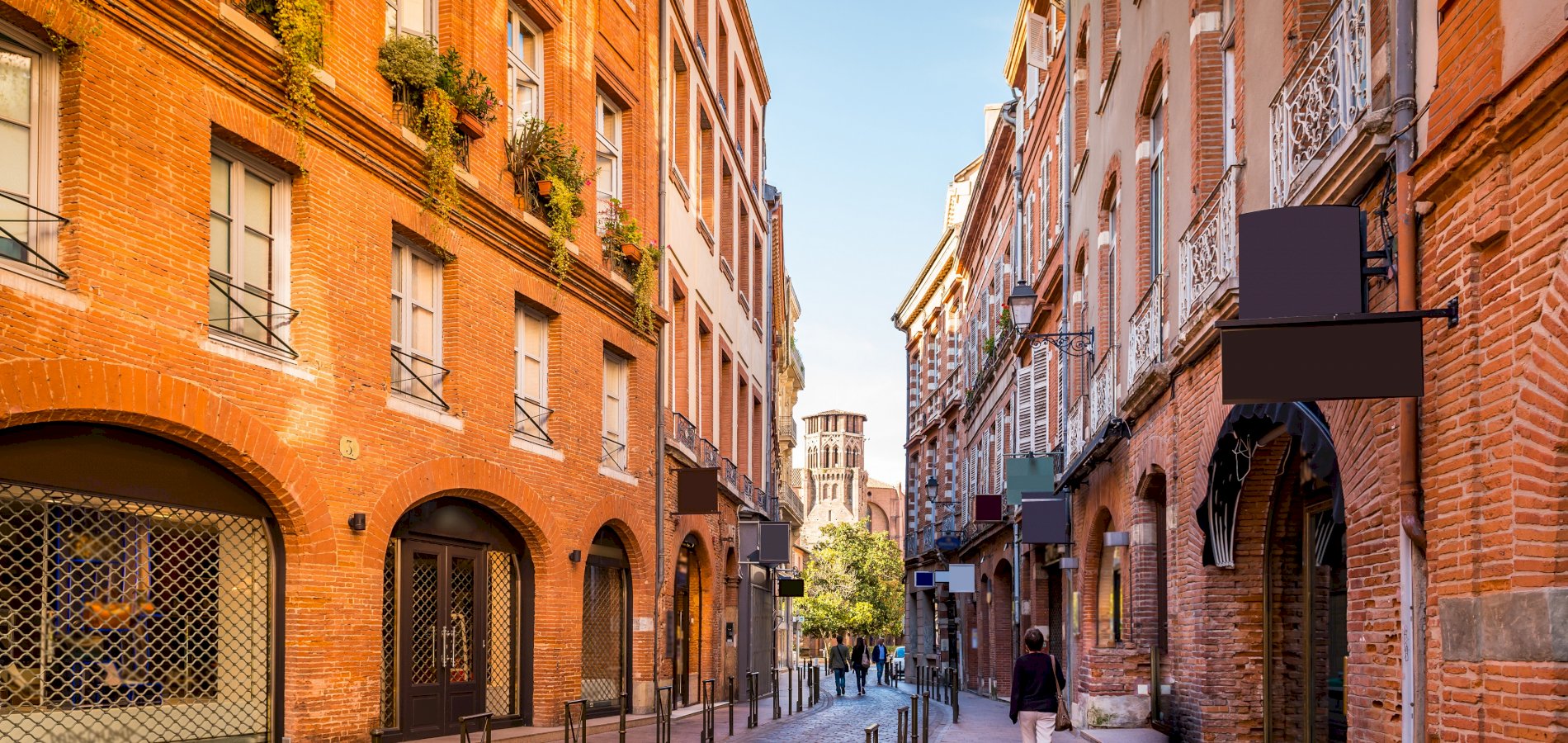
Introduction: Why France Is the Ultimate Wine Travel Destination
Wine travel in France is best approached region by region, with enough time to understand local traditions, appellations, and lifestyles. This guide explains where to go, what makes each region unique, and how to experience French wine in a meaningful way.
Understanding French Wine Regions
French wine regions are defined not only by grape varieties, but by:
- Terroir (soil, climate, landscape)
- Centuries-old production traditions
- Strong regional identities
- Close ties between wine and local cuisine
This diversity means that no two wine regions offer the same experience, making France ideal for both first-time wine travelers and seasoned enthusiasts.
Bordeaux: Prestige, Diversity & River Cruises
Bordeaux is one of the world’s most famous wine regions, known for its châteaux, structured reds, and elegant whites.
Why visit Bordeaux
- World-renowned appellations (Médoc, Saint-Émilion, Graves)
- Easy access from the city of Bordeaux
- Excellent year-round conditions
- Strong connection with river cruises along the Garonne and Dordogne
Bordeaux is particularly well suited to:
- Private wine tours
- Small-group tastings
- Multi-day wine itineraries
- Shore excursions for river cruise passengers
Burgundy: Terroir, Tradition & Rarity
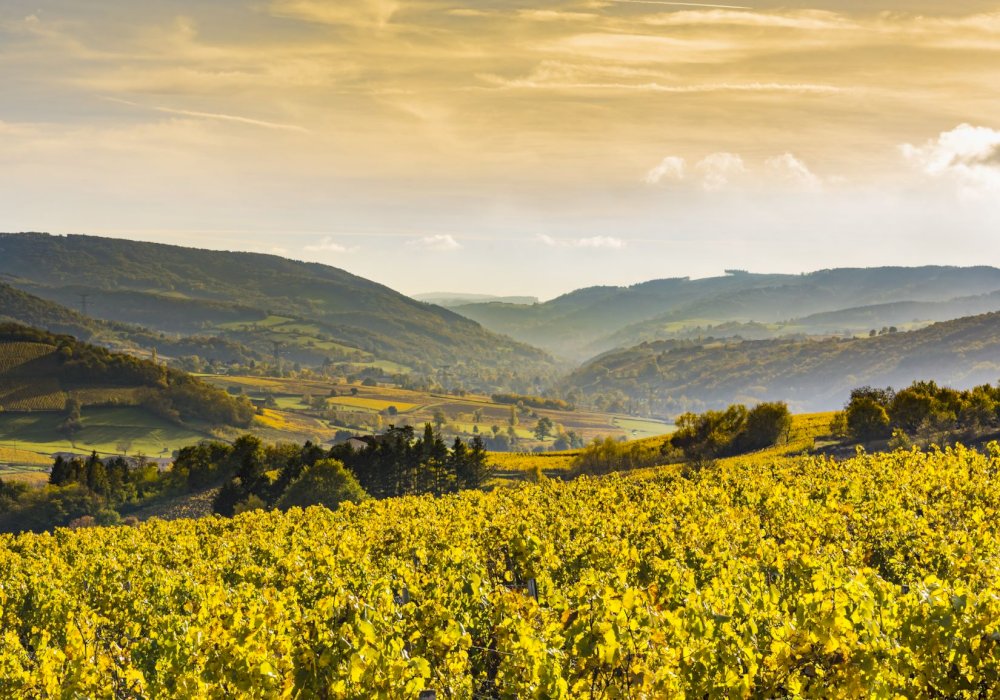
Burgundy is considered the spiritual home of terroir-driven winemaking. Its vineyards are smaller, more fragmented, and deeply tied to history.
What makes Burgundy special
- Pinot Noir and Chardonnay at their most expressive
- Historic vineyards and climats
- A strong link between wine, gastronomy, and monastic heritage
Wine travel in Burgundy rewards travelers who enjoy depth over scale and benefit greatly from guided visits, as access and explanations are essential.
Champagne: Sparkling Wine & Heritage
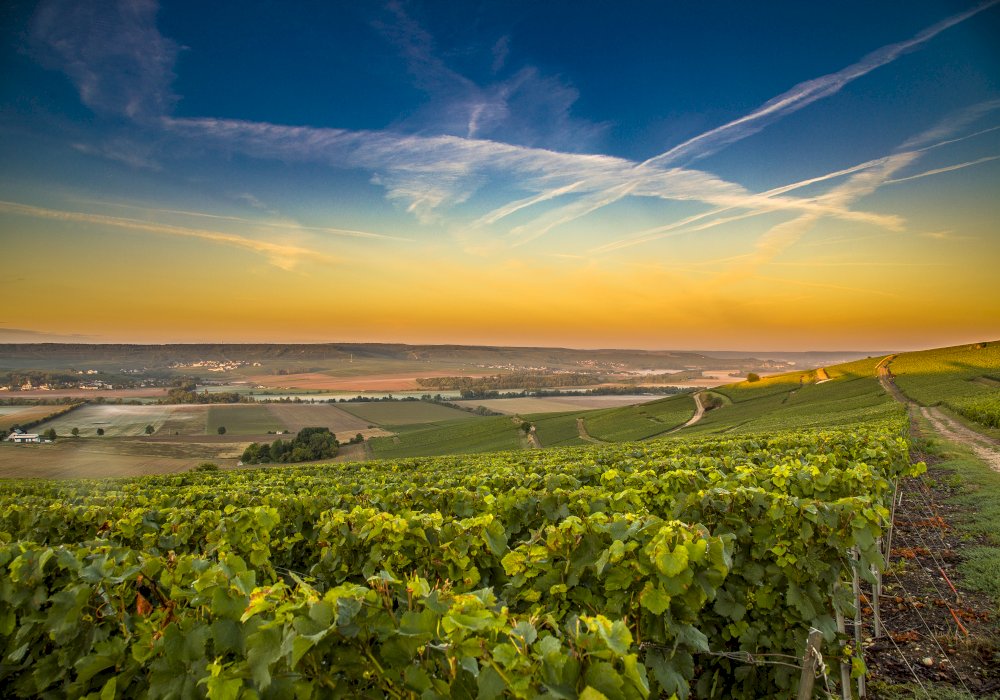
Champagne offers a refined and distinctive wine experience focused on méthode champenoise sparkling wines.
Why Champagne stands out
- Underground chalk cellars
- Historic towns such as Reims and Épernay
- Easy access from Paris
Champagne is ideal for:
- Short wine-focused stays
- Cultural and wine combinations
- Elegant private tours
Alsace: Wine Route, Villages & Aromatic Wines
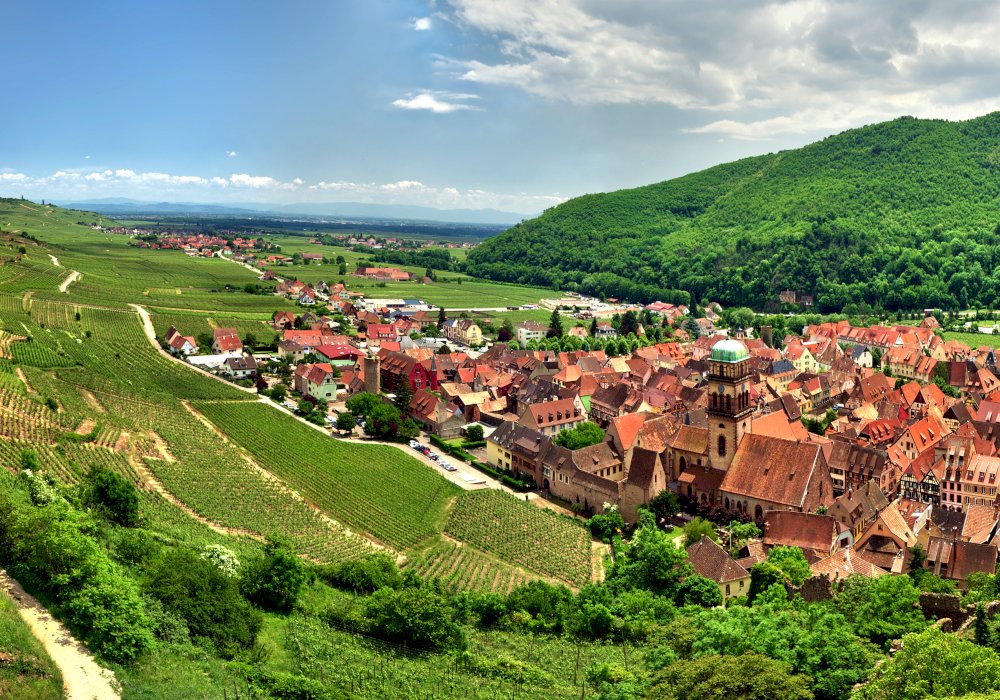
Alsace offers one of France’s most scenic wine routes, winding through colorful villages and vineyards at the foot of the Vosges mountains.
Alsace wine highlights
- Riesling, Gewürztraminer, Pinot Gris
- Compact, easy-to-explore region
- Strong seasonal appeal, including Christmas markets
Alsace is perfect for travelers who enjoy picturesque landscapes, white wines, and cultural charm.
Rhône Valley & Provence: Climate and Character
The Rhône Valley and Provence offer sun-driven wines with strong Mediterranean influence.
Rhône Valley
Known for powerful reds and distinctive appellations, the Rhône Valley appeals to travelers interested in:
- Bold wines
- Diverse terroirs
- Cultural itineraries combined with gastronomy
Provence
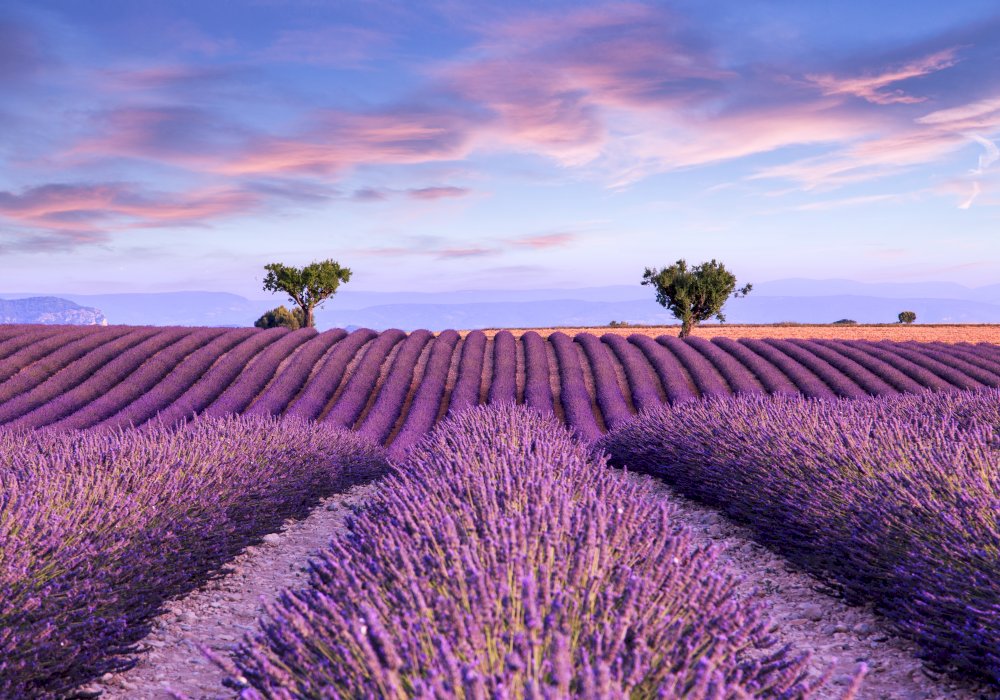
Provence is internationally famous for rosé wines, but also offers varied wine experiences set among villages, markets, and scenic landscapes. Best visited from April to October.
Loire Valley: Elegant Wines & Historic Landscapes
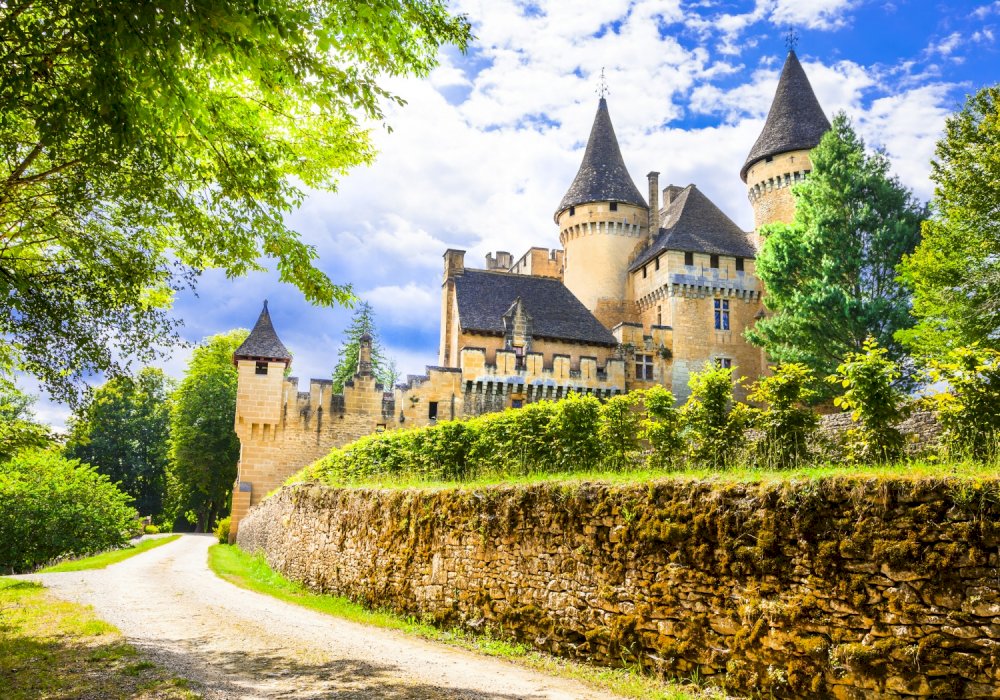
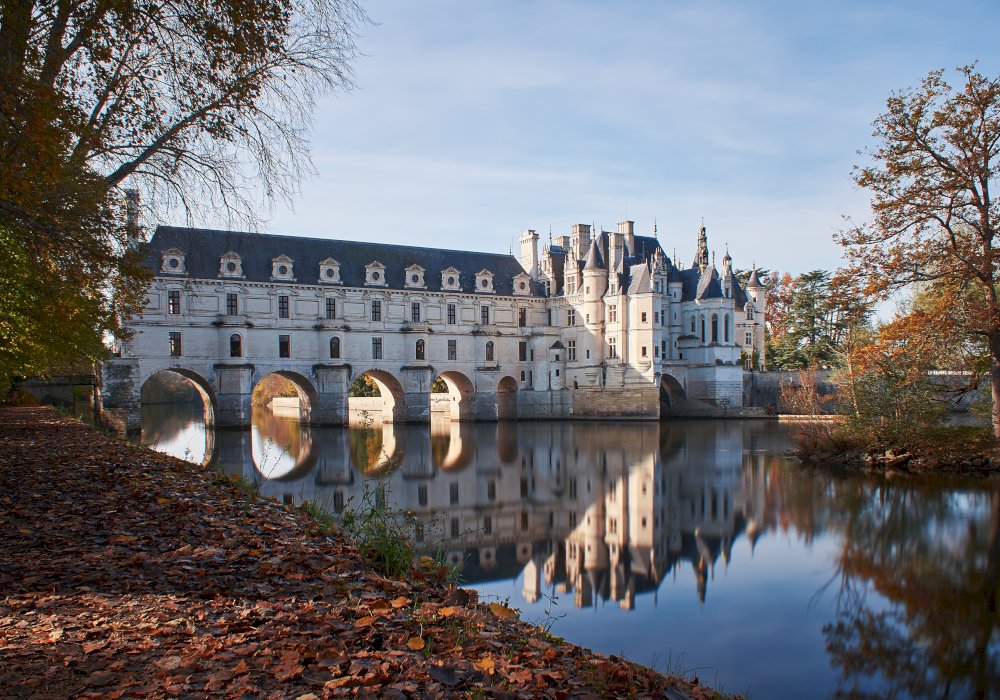
Loire Valley combines wine travel with castles, gardens, and riverside scenery.
Why the Loire works well
- Lighter, food-friendly wines
- Scenic routes and historic towns
- Ideal for wine and culture combined
The Loire Valley is particularly well suited to multi-day itineraries and first-time wine travelers.
How to Experience Wine Travel in France Properly
Day Tours vs Multi-Day Wine Itineraries
- Day tours are ideal when based in a major city
- Multi-day tours allow deeper understanding, relaxed pacing, and access to smaller producers
Why Guided Wine Tours Matter
French wine regions are not designed for casual drop-ins. Guided tours provide:
- Appellation explanations
- Winery access
- Tastings with context
- Efficient routing between vineyards
This is especially important for private and high-end wine travel.
Wine Travel for Different Types of Travelers
- First-time wine travelers: Bordeaux, Loire Valley, Champagne
- Experienced wine enthusiasts: Burgundy, Rhône Valley
- Couples & honeymoons: Provence, Champagne, Alsace
- Cruise passengers: Bordeaux and Rhône Valley regions
When Is the Best Time for Wine Travel in France?
- April–June: Spring landscapes, fewer crowds
- September–October: Harvest season, peak experience
- July–August: Possible but busier, best with private tours
Wine travel is possible year-round in some regions, but seasonal awareness is key.
Final Thoughts: Planning a Wine Journey Through France
Wine travel in France is about more than tasting—it is about understanding regions, meeting producers, and connecting wine to culture and landscape. Travelers who take a regional, guided, and well-paced approach gain a far richer experience.
Whether for a short stay or a multi-regional journey, France remains unmatched as a wine destination in 2026.
For guests traveling on multi-day itineraries, key travel information such as daily schedules, meeting points, and contact details are provided through the Ophorus travel app, allowing easy access to essential information throughout the journey.