 Please wait



Introduction: Why Food Is Central to Traveling in France
Food travel in France is never generic. Each region expresses itself through ingredients, recipes, and local rituals that reflect geography, climate, and history. Understanding French gastronomy therefore requires traveling region by region, ideally with local insight.
French Gastronomy: More Than Restaurants
While France is famous for its restaurants, true gastronomic travel goes far beyond the table.
French food culture is built around:
- Local markets and seasonal produce
- Artisans (cheesemakers, bakers, chocolatiers)
- Regional recipes passed down through generations
- Wine and food pairings rooted in terroir
For travelers, the most meaningful culinary experiences often happen outside formal dining rooms, in villages, homes, wineries, and markets.
Gastronomy by Region: Where to Go and Why
Bordeaux & the Southwest: Cuisine Meets Wine
Bordeaux is internationally known for wine, but its gastronomy is equally distinctive. The region’s cuisine is shaped by:
- Atlantic influences
- Duck, beef, and seasonal vegetables
- Strong links between food and wine
Bordeaux works exceptionally well for:
- Food and wine combinations
- Market visits paired with tastings
- River cruise–oriented culinary experiences
Burgundy: The Heart of French Culinary Tradition
Burgundy is synonymous with classic French gastronomy. Its cuisine is rooted in:
- Rich sauces and slow cooking
- High-quality local ingredients
- A deep connection between wine and food
Burgundy appeals to travelers seeking culinary depth, best explored through guided experiences that explain traditions and regional identity.
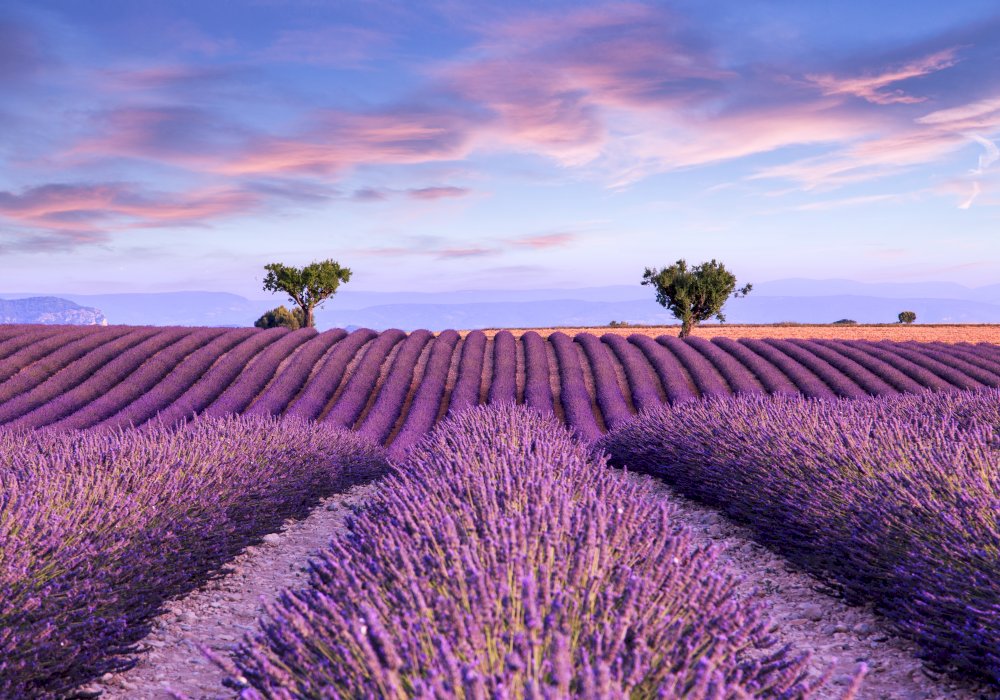
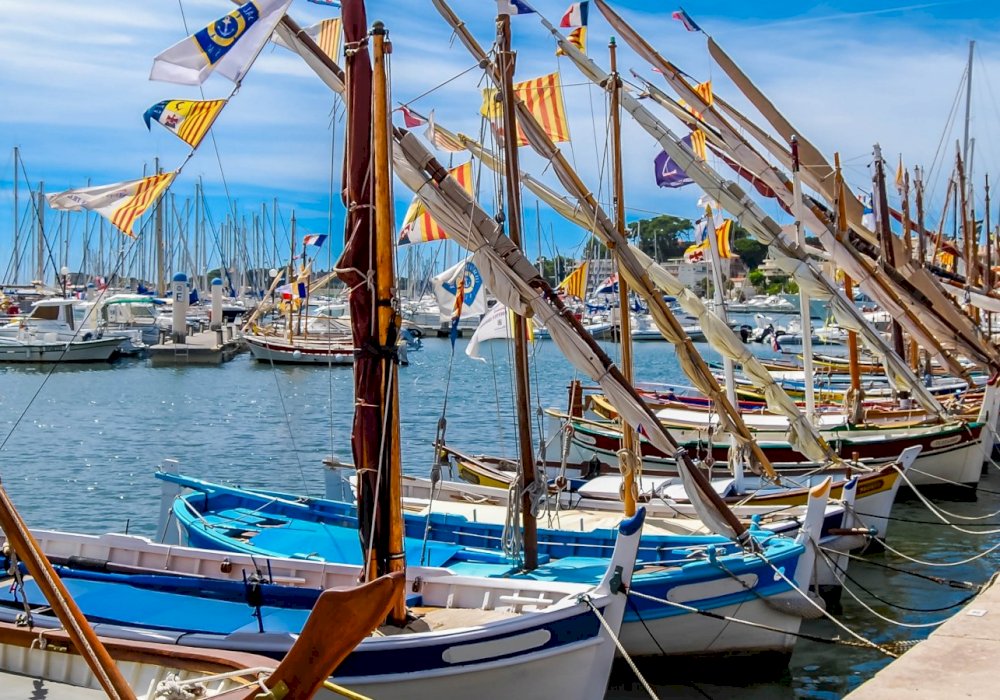
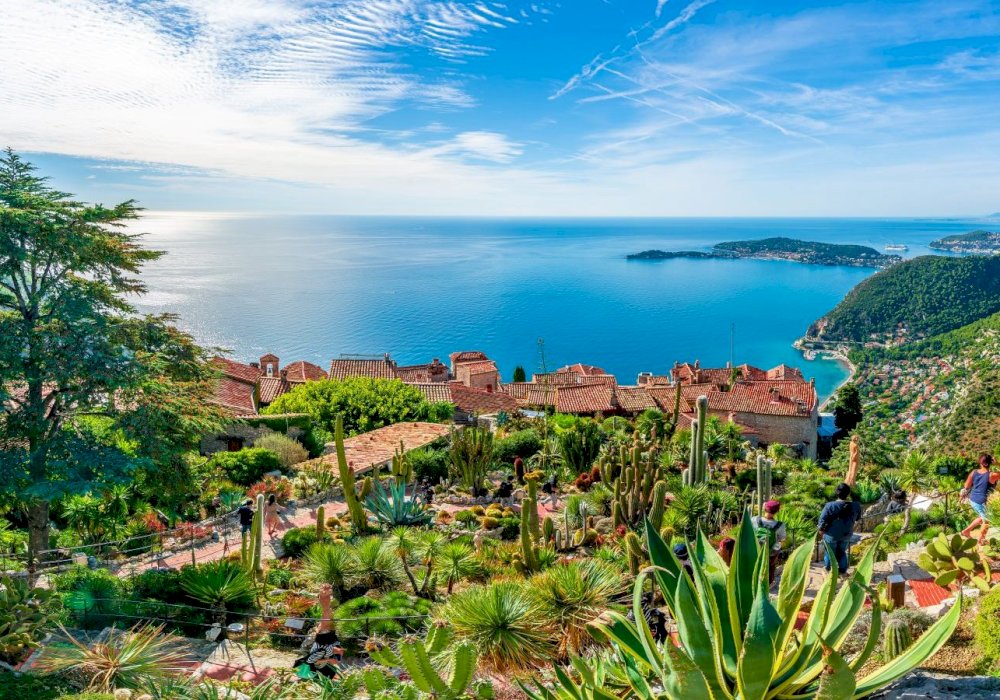
Provence: Markets, Olive Oil & Mediterranean Flavors
Provence offers one of France’s most recognizable food cultures. Provençal cuisine is defined by:
- Olive oil, herbs, vegetables
- Sun-driven flavors
- Vibrant weekly markets
Food travel in Provence is highly seasonal and best enjoyed from April to October, combining villages, markets, and countryside landscapes.
Alsace: A Distinct Culinary Identity
Alsace blends French and German culinary traditions. Its gastronomy reflects:
- Hearty regional dishes
- White wines and beer traditions
- Strong seasonal customs
Alsace is particularly appealing in winter, when food traditions and Christmas markets create a festive, authentic atmosphere.
Loire Valley: Elegant Cuisine & Local Produce
Loire Valley offers a lighter, refined culinary style centered on:
- Fresh produce
- River fish
- Food-friendly wines
The Loire Valley works well for travelers interested in culture, gastronomy, and landscapes combined, especially on multi-day itineraries.
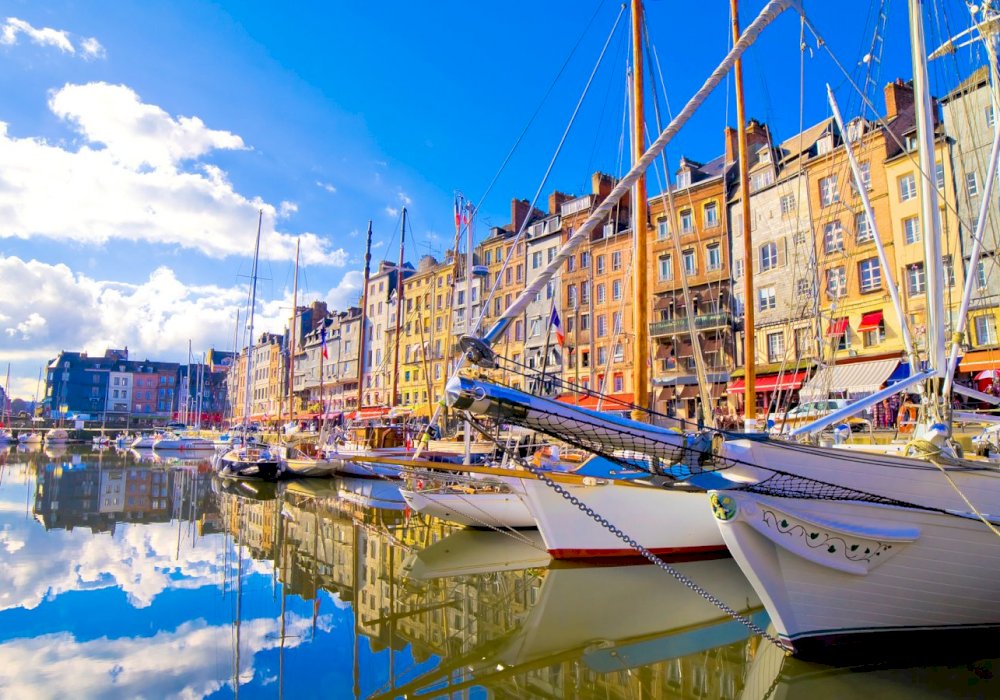
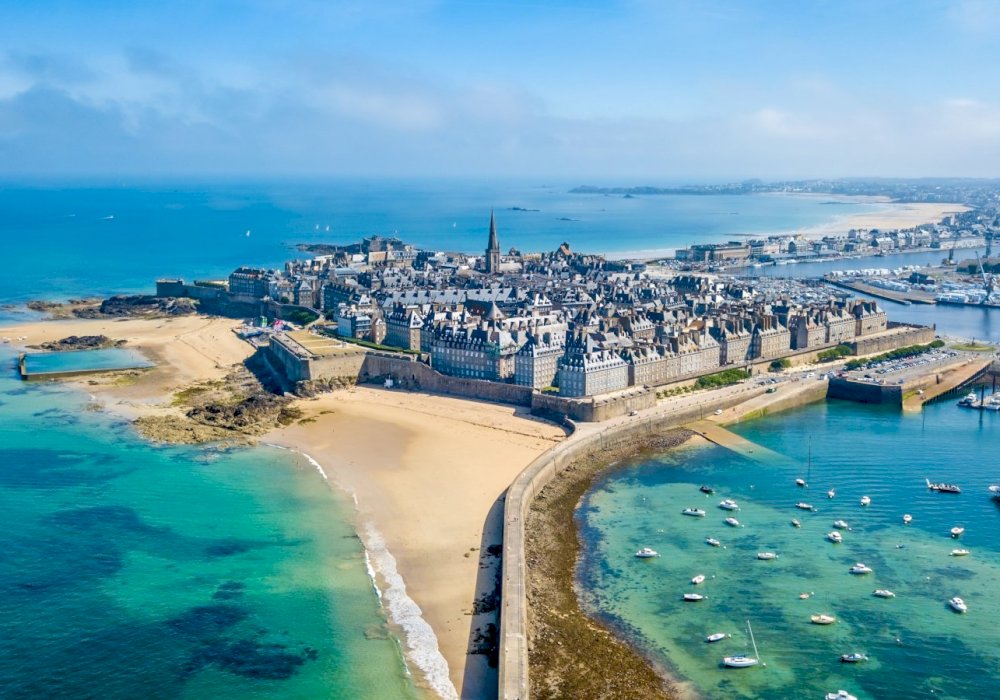
Normandy & Brittany: Land, Sea & Tradition
Normandy and Brittany are shaped by their coastlines and agricultural heritage.
Culinary highlights include:
- Dairy products and cheeses
- Apples, cider, and Calvados
- Seafood and coastal cuisine
These regions are ideal for travelers interested in authentic, product-driven food traditions.
Markets, Producers & Artisans: The Soul of French Food
Markets are where French gastronomy becomes tangible. Visiting markets with local experts allows travelers to:
- Understand seasonal eating
- Meet producers
- Discover regional specialties
Artisan visits—cheesemakers, bakeries, chocolatiers, olive oil producers—provide insight into craftsmanship that cannot be replicated elsewhere.
Why Guided Food Travel Matters in France
France’s culinary culture is highly regional and nuanced. Guided food-focused tours provide:
- Cultural and historical context
- Access to producers and markets
- Logical pairing of food, wine, and geography
- A balance between indulgence and understanding
This approach is particularly well suited to private and small-group, all-inclusive itineraries, where logistics and reservations are handled in advance.
Food Travel: Day Experiences or Multi-Day Journeys?
- Day tours work well when based in major cities
- Multi-day tours allow deeper immersion, repeated market visits, and regional continuity
Food and gastronomy travel benefits greatly from multi-day pacing, allowing flavors, traditions, and landscapes to come together naturally.
Who Food & Gastronomy Travel Is Best For
- Food lovers and wine enthusiasts
- Couples and honeymoons
- Culturally curious travelers
- Repeat visitors to France
- Guests seeking authentic, regional experiences
Best Time for Food & Gastronomy Travel in France
- Spring: Markets and fresh produce
- Summer: Abundance and regional specialties
- Fall: Harvest season and wine pairings
- Winter: Comfort cuisine and festive traditions (Alsace, Paris)
Each season highlights different aspects of French cuisine.
Final Thoughts: Experiencing France Through Its Cuisine
Food is not an add-on to travel in France—it is a gateway to understanding the country. Through cuisine, travelers discover regional identity, history, and daily life.
In 2026, food and gastronomy travel remains one of the most authentic and rewarding ways to explore France, especially when guided by local expertise and thoughtfully integrated into multi-day journeys.