 Please wait


Introduction: Why Visit Alsace in 2026
Alsace is one of France’s most distinctive regions, known for its storybook villages, vineyard-covered hills, and strong cultural identity. In 2026, Alsace continues to attract travelers looking for authentic regional character, whether through wine travel, scenic villages, or festive winter traditions.
Located along the Rhine and bordering Germany, Alsace blends French and Central European influences in a way found nowhere else in the country.
Alsace at a Glance
- Best for: Wine route, villages, culture, Christmas markets
- Seasonality: Year-round destination
- Ideal stay: 2–4 days
- Travel style: Guided day tours, private tours, multi-day itineraries
Alsace is compact but rich, making it ideal for travelers who want depth without long distances.
The Alsace Wine Route: Landscapes & Terroir
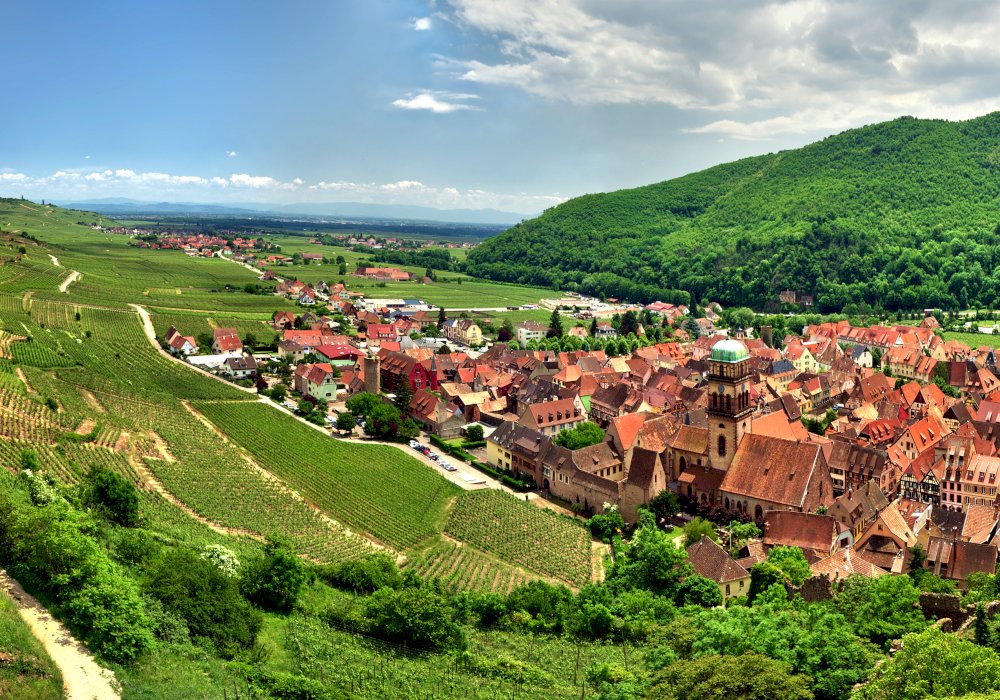
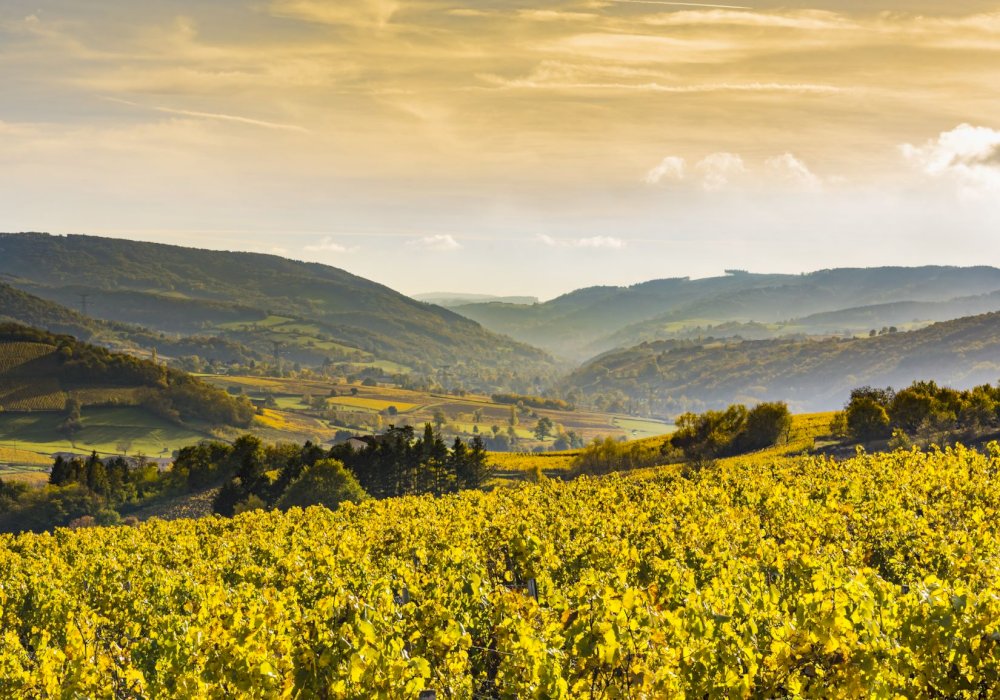
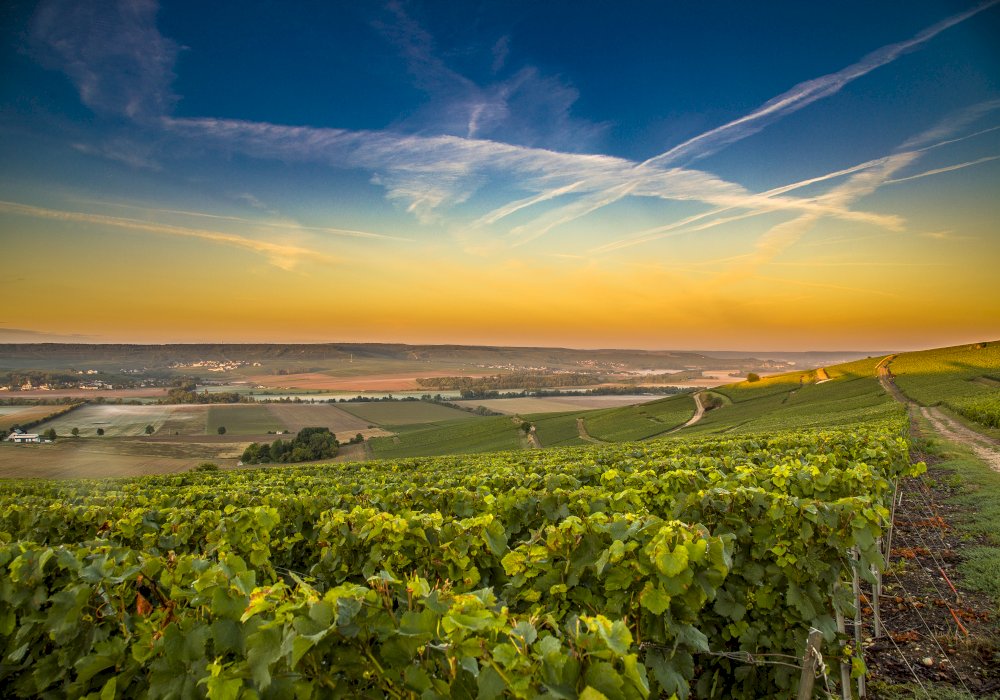
The famous Alsace Wine Route stretches from north to south through rolling vineyards and historic villages.
Known for its white wines, Alsace produces:
- Riesling
- Gewurztraminer
- Pinot Gris
- Pinot Blanc
Wine estates are often small and family-run, and villages are closely spaced, making the region particularly well suited to guided exploration.
Villages of Alsace: A Storybook Landscape
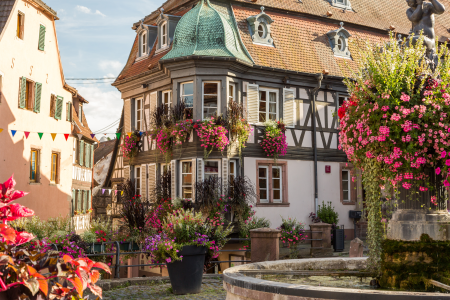
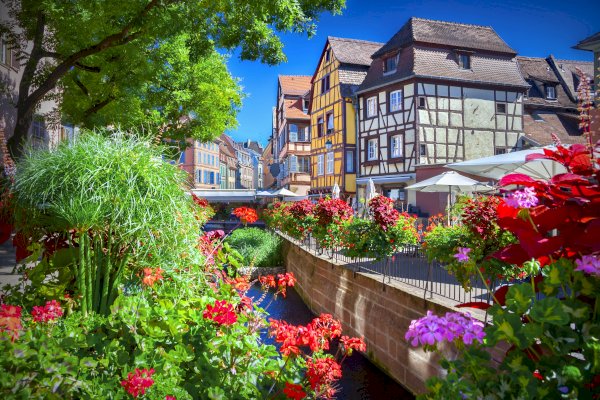
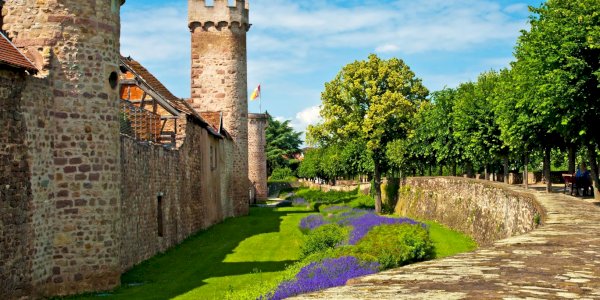
Alsace is home to some of France’s most picturesque villages, many of which appear regularly on “most beautiful villages” lists.
Highlights include:
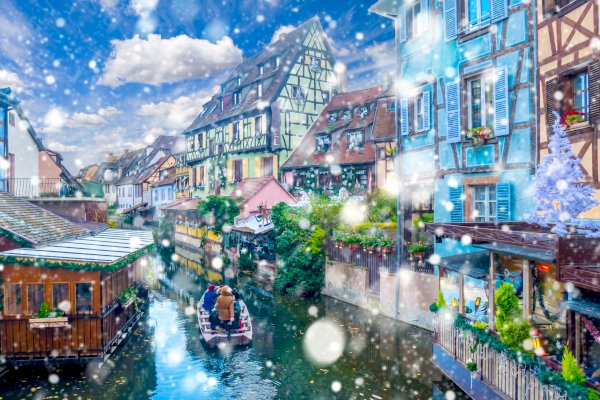
- Colmar – colorful canals and historic center
- Eguisheim – circular streets and vineyards
- Riquewihr – medieval charm and wine heritage
Visiting several villages in one day requires careful routing and timing, particularly during peak seasons.
Alsace Christmas Markets: A Winter Highlight
Alsace is internationally famous for its Christmas markets, which transform towns and villages each winter.
From late November through December, visitors can experience:
- Traditional decorations
- Regional food and drink
- Festive village atmospheres
Colmar and Strasbourg are particularly popular during this period, and guided visits help navigate crowds and logistics.
Day Trips vs Multi-Day Travel in Alsace
Day Trips
Day trips work well when based in Strasbourg or Colmar and typically focus on:
- A section of the Wine Route
- Two or three villages
They are ideal for short stays.
Multi-Day Alsace Itineraries
Staying longer allows travelers to:
- Explore villages at a relaxed pace
- Combine wine, culture, and countryside
- Visit Christmas markets without rushing
Multi-day travel offers a more immersive view of the region.
How to Get to Alsace & Get Around
Getting to Alsace
- High-speed train from Paris to Strasbourg or Colmar
- Road access from eastern France and neighboring countries
Getting Around the Region
Outside the main towns, public transport is limited. Villages and wineries are best reached by road.
For this reason, Alsace is ideally explored through:
- Chauffeur-driven private tours
- Small-group guided tours
- Multi-day itineraries with a dedicated driver-guide
Who Alsace Is Best For
- Wine lovers and food enthusiasts
- Couples and photographers
- Families seeking charming villages
- Winter travelers interested in Christmas markets
- Repeat visitors to France
Alsace appeals to travelers who value atmosphere and regional character.
Best Time to Visit Alsace
Alsace is a true year-round destination.
- Spring: Vineyards and flowers
- Summer: Lively villages and festivals
- Fall: Harvest season and wine events
- Winter: Christmas markets and festive traditions
Each season offers a distinct experience.
Final Thoughts: Experiencing Alsace Properly
Alsace rewards travelers who slow down and explore village by village. Its compact size, rich traditions, and welcoming atmosphere make it one of France’s most enjoyable regions to discover.
In 2026, Alsace remains a destination where wine, culture, and seasonal traditions come together seamlessly—especially when explored with local insight.